UPDATE 2026:
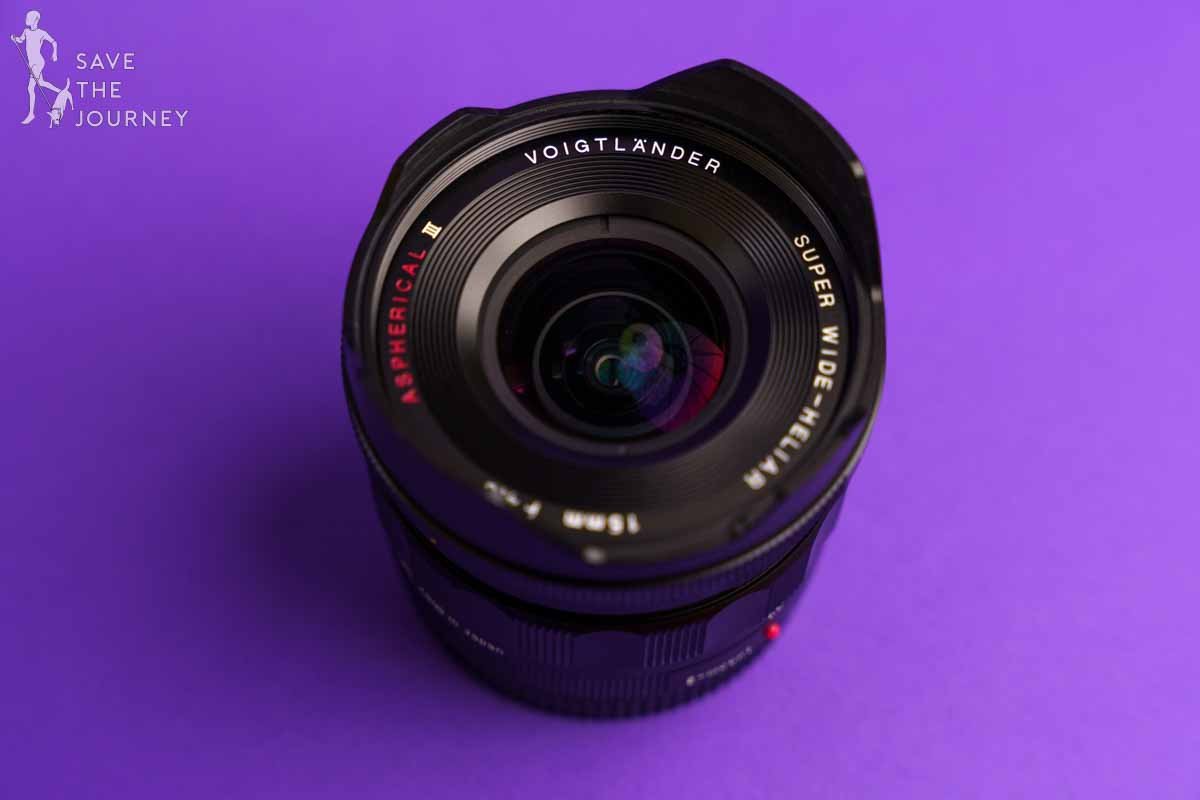
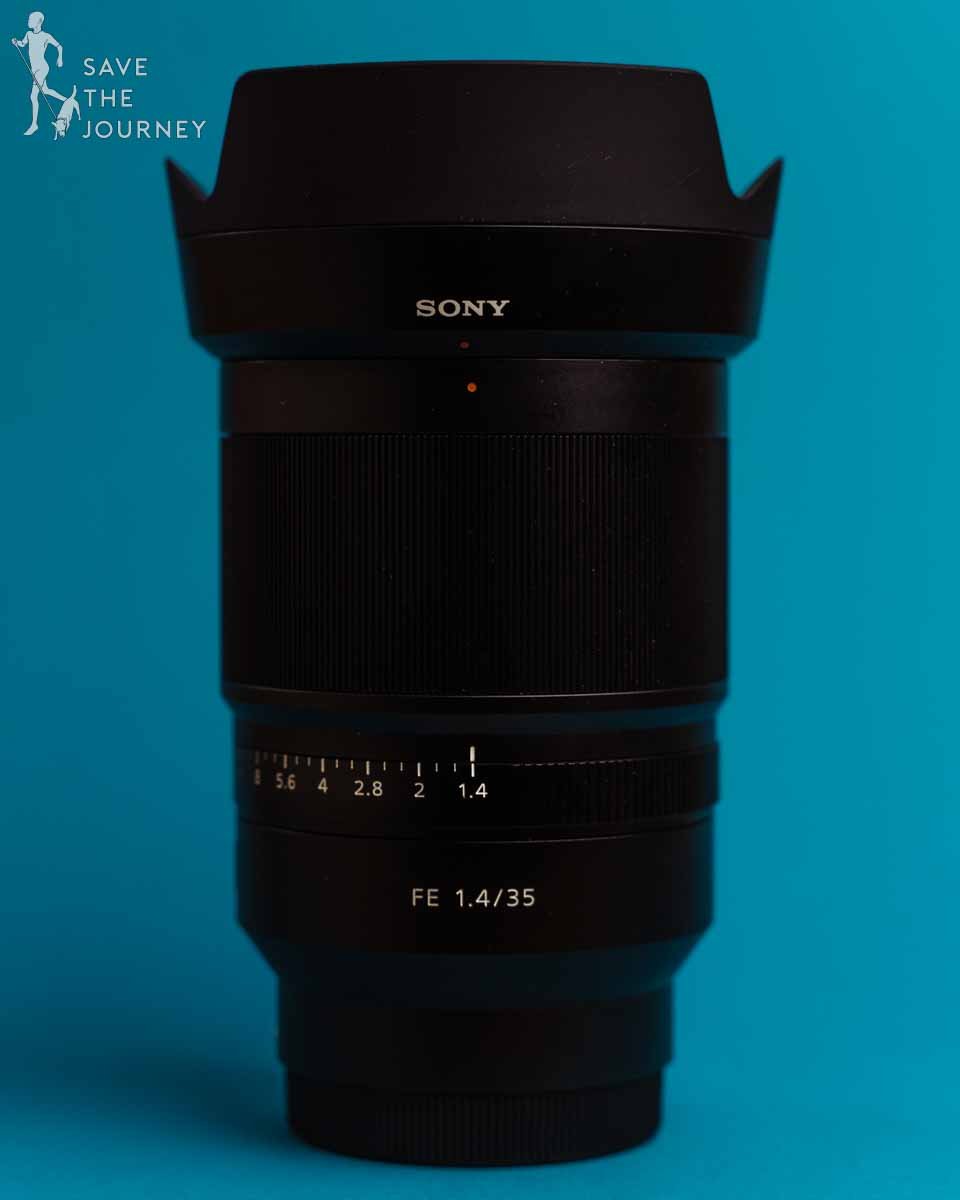
This Sony Zeiss 35mm f1.4 ZA was my workhorse for quite a number of years, I used it for so many shoots. But at the end of 2025 I have decided to replace it with this lens instead.
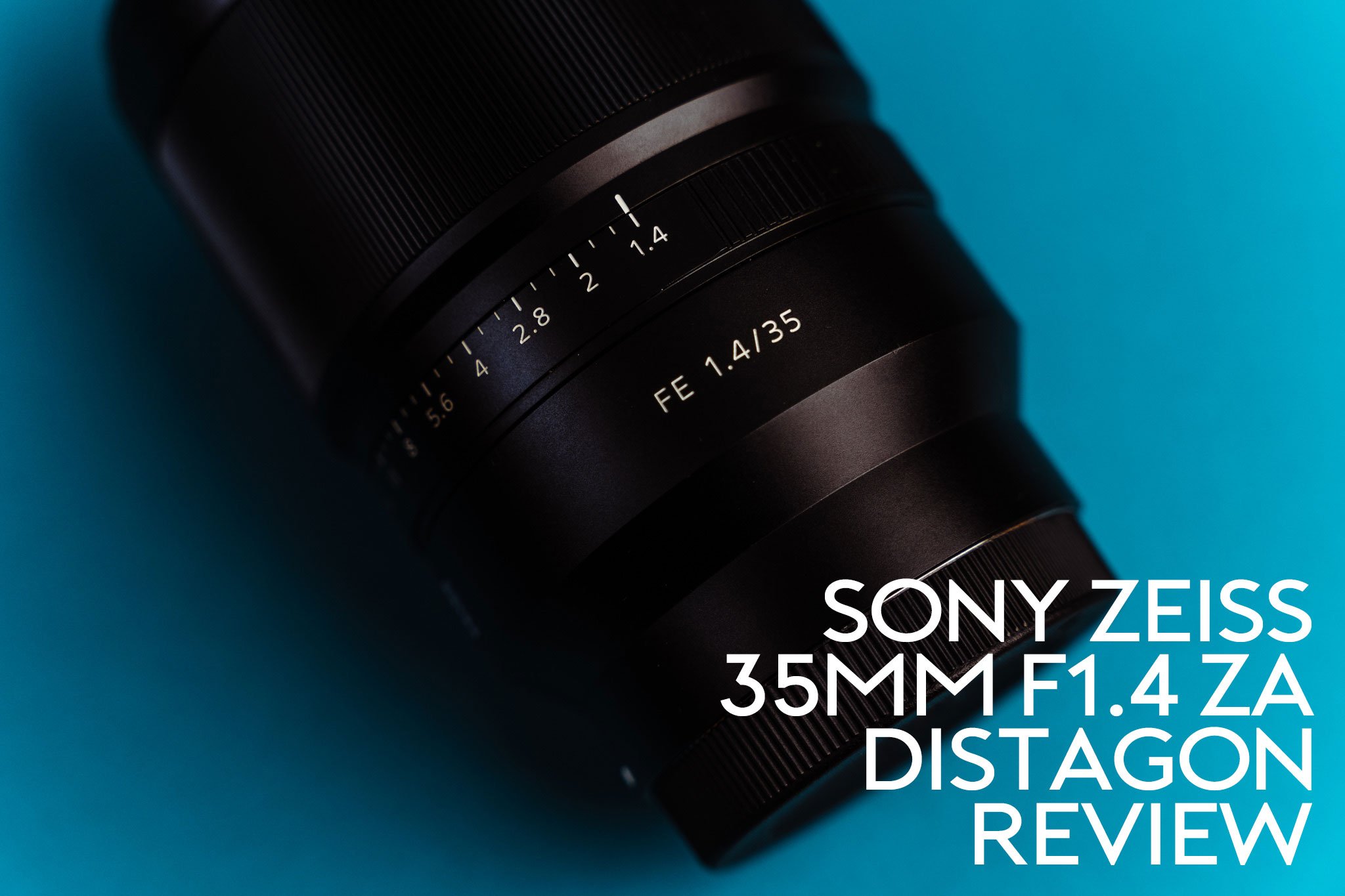
Sony Zeiss 35mm f1.4 ZA Review
Up until the end of last year I was a Fujifilm photographer. I absolutely loved and adored the system but just outgrew it. If I wasn’t shooting in daylight, the photos would always turn out disappointing. Even after investing in f1.2 and f1.4 lenses.
I had a lot of different lenses over the years;
Fujifilm:
18mm f2
23mm f2
35mm f1.4
35mm f2
56mm f1.2
18-55mm f2.8-4.0
16-55mm f2.8
50-140mm f2.8
Samyang:
12mm f2.0
21mm f1.4
35mm f1.2
85mm f1.4
My favourite one by far was the Samyang 21mm f1.4. I loved the focal length, the image quality and look and how compact it was. It was my most used lens (review here).
So when I moved from Fujifilm over to Sony, my priority was to get a ±35mm lens that I absolutely loved and adored. It had to be perfect and not just ok. It would, after all, be the most important lens in my line up.
The amazing thing about the Sony FE mount is the abundance of lens options. That is the #1 reason I moved to Sony. I honestly don’t like the cameras at all, but having an option of over 10 autofocus 35mm lenses, four alone coming from Sony directly, was absolutely incredible to me!
What did I want? Well, I wanted a 35mm lens with an f1.4 aperture. Coming from a crop sensor, I just wanted all that bokeh for once! I’ve always yearned for a full frame 35mm f1.4 lens! So, filtering out the slower f2.0-2.8 lenses, and setting aside the very tasty, but manual focus Voigtlander lenses, I ended up with a shortlist of the following three lenses:
Sony 35mm f1.4 GM
Sony Zeiss 35mm f1.4 ZA
Sigma 35mm f1.4 DG DN
Now, I also own a Sigma 24-70mm f2.8, a lens I really appreciate and use a lot. It’s my workhorse lens. It does everything really well, is versatile because of its zoom range and is so predictable and dependable. I use this lens a lot for more corporate gigs, and/or photo shoots where it’s more important to capture the moment than creating a beautiful image.
Having said that, I love Sigma’s build quality but I find their rendering to be a bit flat and sterile. On paper, they are the best option. Always around the same quality as a GM lens, but much cheaper, and I love that most of the DG DN lenses have an aperture ring, the AFL button and the AF/MF switch. I love that and I wish all my lenses had that! But when it comes to the images, I sometimes find the Sigmas to look a little boring. No matter the focal length. They are the best lens on paper but uninspiring in the real world. (2025 update: I got the Sigma 70-200mm f2.8 DG DN lens and wow, it’s amazing, so it’s not all Sigmas I don’t like, just some)
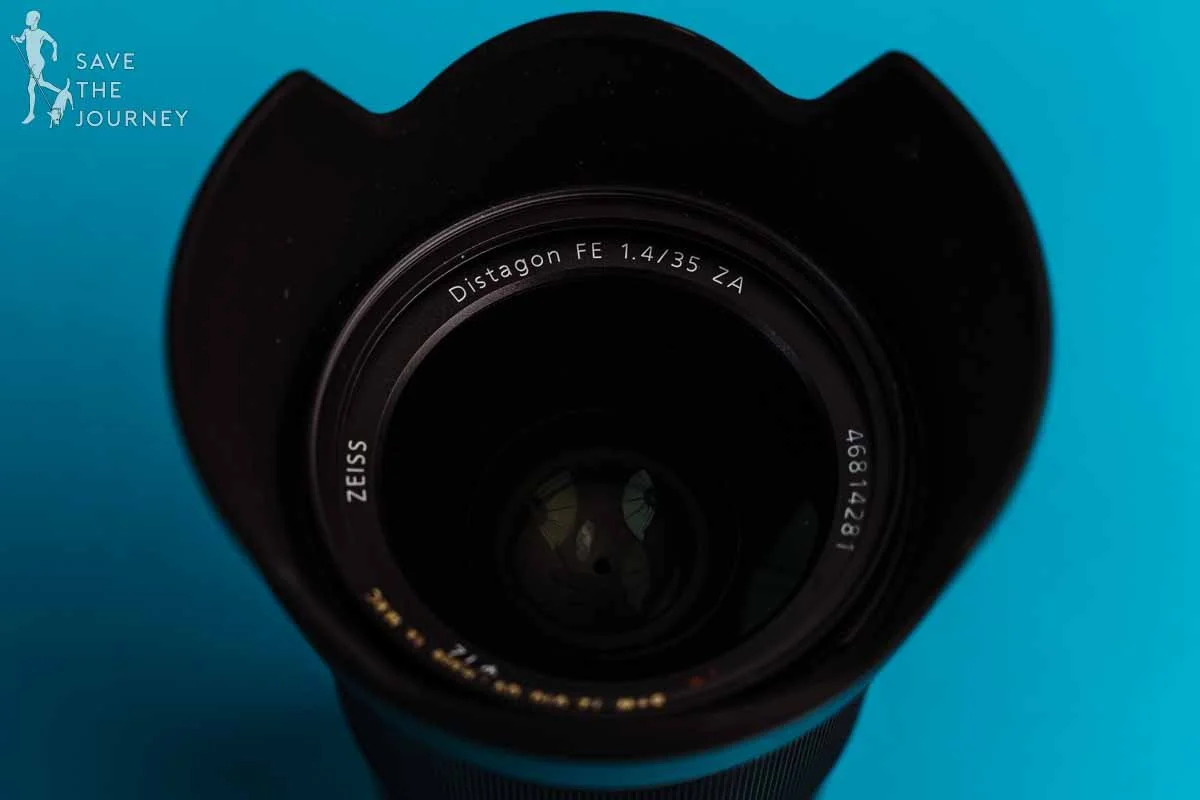
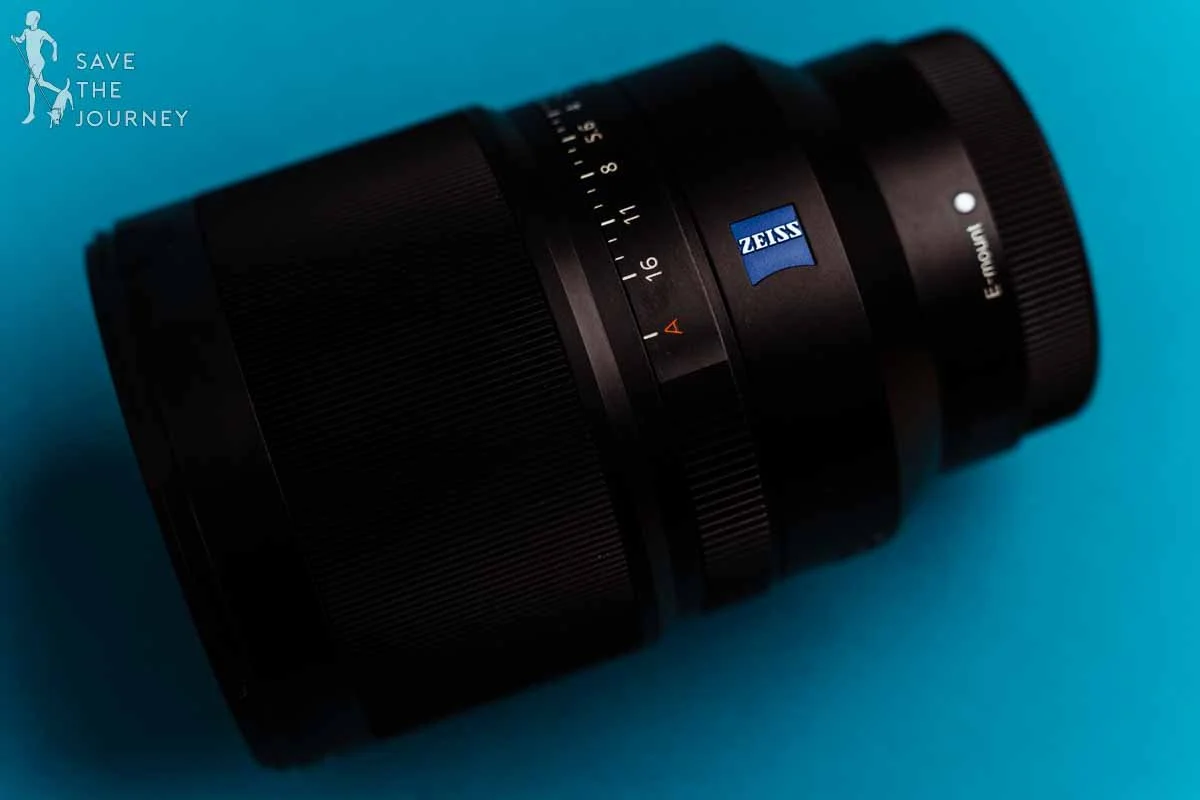
My attention then turned to the two Sony’s. I’ve always been a fan of Zeiss and Voigtlander lenses. I love how these companies manage to make a new interpretation of old designs. They keep a vintage look but with modern quality.
I couldn’t find many sample images that had been taken with the Zeiss and here in Cork city with very limited camera shops, there wasn’t a way for me to try or rent one before buying one. I eventually stumbled across one on eBay for about €650 I believe. I thought, “F*** it, if I don’t like it, I’ll just sell it again and get something else.” I was a little bit worried that the images might have too much of a vintage look.
I got the lens, and man, was it big! Much bigger than I was used to from my Fujifilm days. It’s basically as big as the Sigma 24-70mm! Sadly, it wasn’t great a copy either. The lens hood is a two-piece metal and plastic construction that is glued together. It had separated and was in two pieces. The glue had hardened and wasn’t sticky anymore.

The aperture ring was also very sloppy, you could barely feel the individual 1/3 stop aperture clicks. As was the aperture de-clicking switch. That switch literally just slid from one side to the other. There was no discernible click at all. It had purely become a slider. I was very disappointed. Then I discovered that this lens also had the dreaded de-centered lens elements. So the corners on one side were sharp at infinity and the other side was blurry. Not a great first impression.
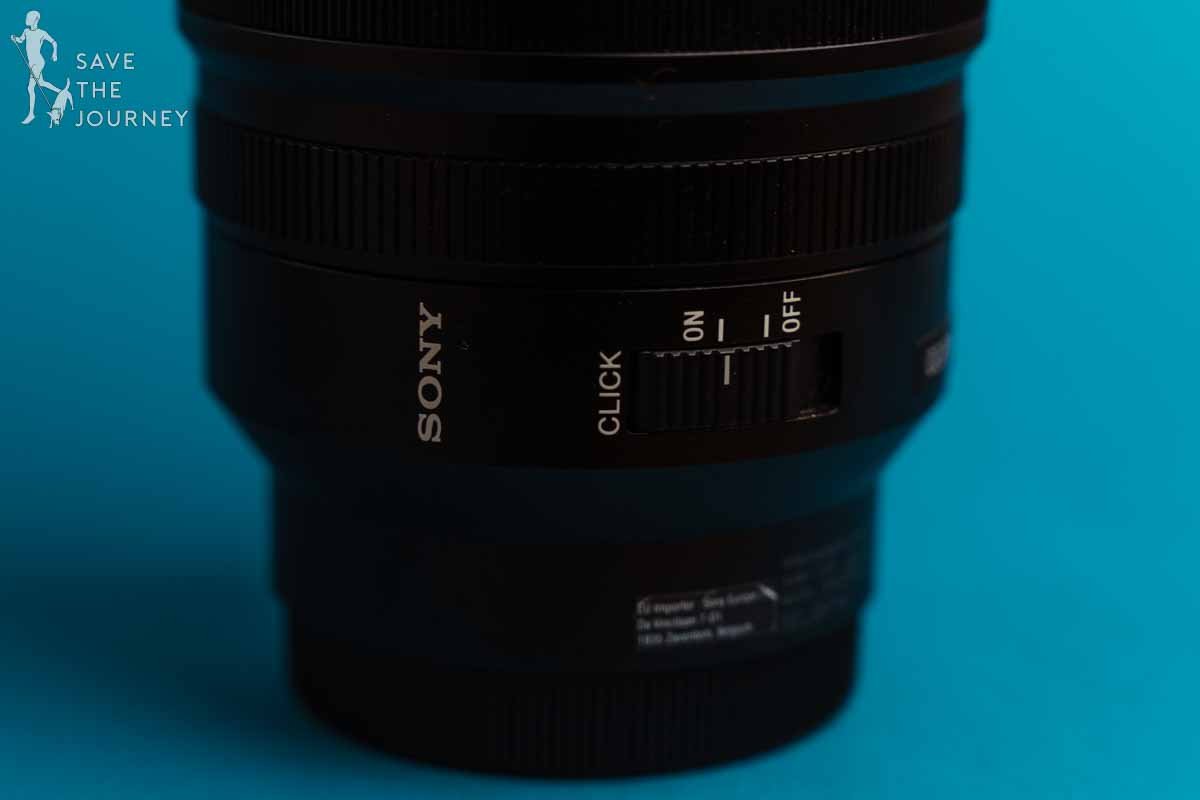
De-Clicking Aperture
Not only is the aperture ‘click’ switch sloppy, but it’s also not properly aligned with the markings.
A 100% close up comparing the best corner with the worst corner when focusing to infinity. Probably not the worst, and I’m not sure if I would have really noticed it in actual photos but not something I wanted to risk having.
The left two corners were worse, in particular the top left. Both right hand corners were ok in my first copy.
De-centered lens elements on my first copy of this lens:

But…
But, and it’s a big but, I absolutely loved the images that came out of this lens! They were absolutely gorgeous! I didn’t want to send this lens back, I didn’t want to let it go but I had to be an adult and do the right thing. Luckily eBay was great and I got a full refund.
You see, for me, and if you read all my other lens reviews, I don’t really care about the technical details or capabilities of a lens, except for focal length and to a certain degree, the f-stop and AF performance (although less so now with the Sony system). Sharpness, distortion, sun stars, vignetting, etc. don’t really bother me at all. For me it’s really important how the lens renders the image, the colours are very important, micro-contrast and bokeh; not just the amount and the way the bokeh looks, but also at the transitions of the in focus areas and how they transition out of focus.
When I wrote the review for the Fujifilm 56mm f1.2 for instance, I wrote how clinical and boring it looked. At one of my shoots involving the Lord Mayor of Cork, I photographed the event with the 56mm and the Samyang 21mm f1.4. Besides the difference in focal length which is obvious to see, you can spot which photo had been taken by which lens so easily because of their rendering! See the photos here. I much more preferred the rendering of the 21mm over the 56mm. Which is why I eventually got rid of the 56mm.
Zeiss
It seems like Zeiss lenses are very underrated. I think that Zeiss lenses do a terrible job at photographing test charts and they wouldn’t be my first choice for capturing landscapes and objects like cars or motorbikes (because of CA, vignetting and distortion). They do however produce a very organic image that’s perfect for photographing portraits and people in general. I do wish that Zeiss would update some of their lenses but it seems like they’re not interested in autofocus lenses anymore.
Shortly after returning the first, bad copy of the Sony Zeiss 35mm f1.4, I got a much better copy from an actual photo store and have been shooting with it for the last year. The aperture ring is still not as tight as I’d like it to be, same with the switch (which I wish they had just done without since I never use it), but this new copy is way better than the last. All the glass elements are centred correctly, but the lens hood did fall apart again, about 4 months later. I glued it back together. It’s not a great construction at all though, the Sigma one is miles better. The Zeiss one has actually come off a few times during weddings or events I was shooting, while the camera was dangling at my side on a harness.
Zeiss
“They do however produce a very organic image that’s perfect for photographing portraits and people in general.”
What do people not like about the lens?
Vignetting. I love a lens that vignettes, this lens vignettes a bit more than I’d usually want at f1.4 but the slider in Lightroom fixes this quite easily, and if you stop down a litte, by f2.0 it hardly has any vignetting at all. So it’s very easy to control.
Sharpness. A huge complaint of this lens is that it’s not very sharp. I’ve not had that issue at all, for me it’s perfectly acceptable and I have never been in a situation where I felt it wasn’t sharp enough. This might affect the landscape shooters more than me.
Chromatic Abberations. Again, this is a huge complaint on the internet, but for me who’s only photographing people, it’s not really an issue. I think car photographers who are shooting a lot of chrome would have more issues.
Size. Yeah, it’s a bigger boy. I don’t mind it’s size too much in a professional environment, ie. using it for a professional shoot, for personal occasions, I often rather use the Batis 40mm.
Bokeh. I love it! It’s more on the characterful. It does show a touch of swirl at closer focusing distances and does have very obvious highlights, similar to the Planar lenses. I do like the style of it, for couple shoots, family shoots and weddings it’s perfect! But it’s not the most versatile, I can agree with that. I wouldn’t really use it too much for my more corporate work, for that my go to is usually the Sigma 24-70mm.
So what do I like about the lens?
It’s not the most loved lens on the internet but what do I think about it?
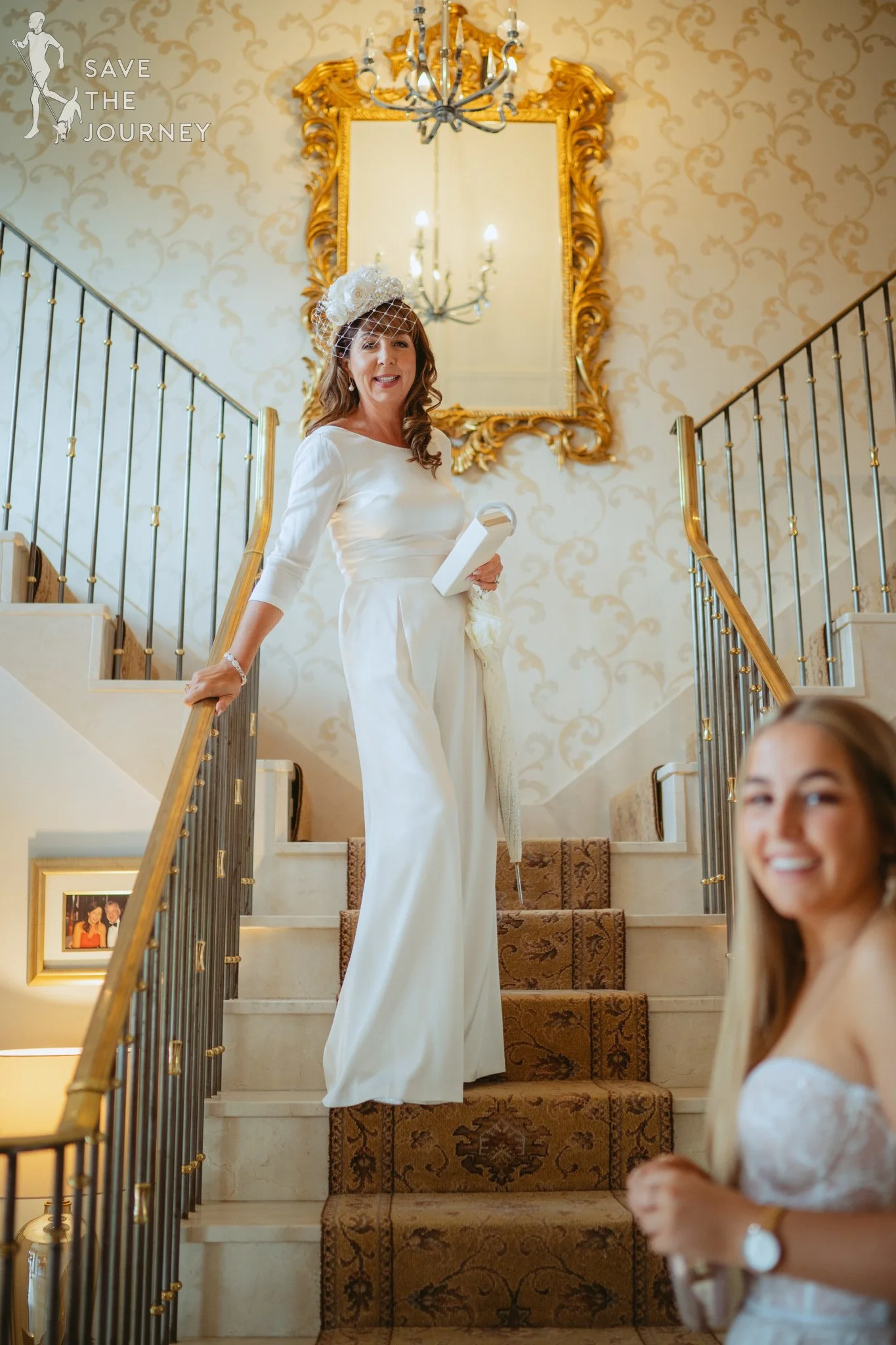
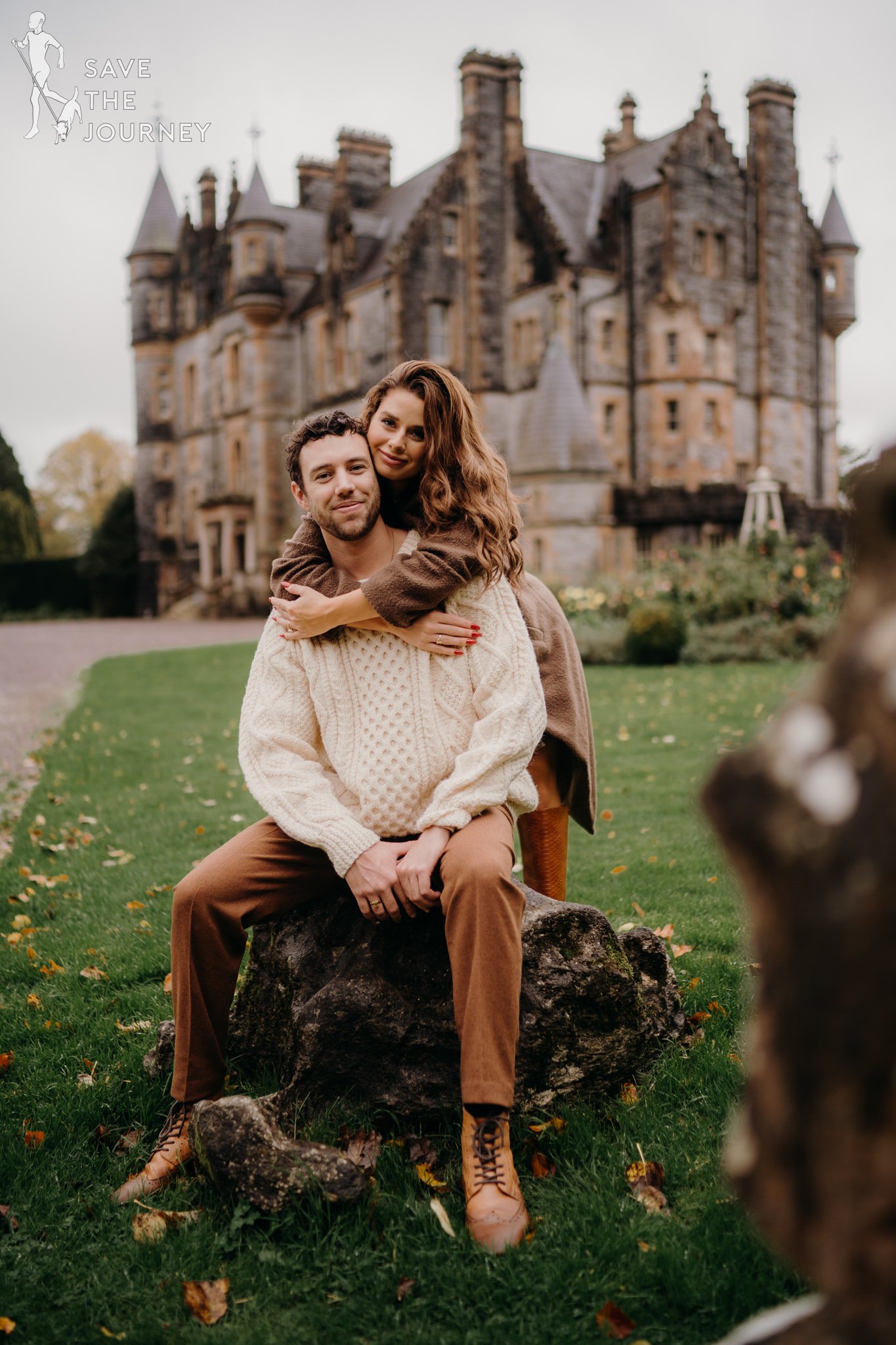
So what do I love about it? Well, as I touched on a little already in the intro; I just absolutely adore the images it produces! They are so life like, I hate using the terminology of 3D pop, but it really is there. The photos from my Sigma look so flat in comparison. You can take any photo with this lens and it looks amazing. It’s not just down to being able to blur the sh*t out of the background, it’s just the rendering that’s unreal!
The micro-contrast from the Zeiss, in combination with the sharpness of the Sony sensor, mean that for the very first time, I’m actually dialling back the clarity in Lightroom by about -15 to even -20. This is great for the clients I’m photographing, as it makes it very forgiving on the skin. So keep that in mind when you’re looking at these photos that they’re all lacking a little bit of that micro-contrast.
The autofocus is also lightning quick for a lens this big, in the sun it’s as fast as my Sigma 24-70mm, although it loses it’s confidence a little in very dark situations. But tracking in good light is unbelievably good for such a large lens with an f1.4 aperture. Sony, ey? Aren’t they just amazing?
It’s difficult to really put my love for this lens in words, but put it this way, it never leaves my camera bag and it’s kinda forced me to do so many shoots with it this year. I ended up shooting so many more portraits with it and this wider focal length, whereas last year I would have used the Fujifilm XF 35mm f1.4 for (so a 50mm). That’s how much I adore the images of this lens. The depth and rendering you get from this lens is unbelievable.
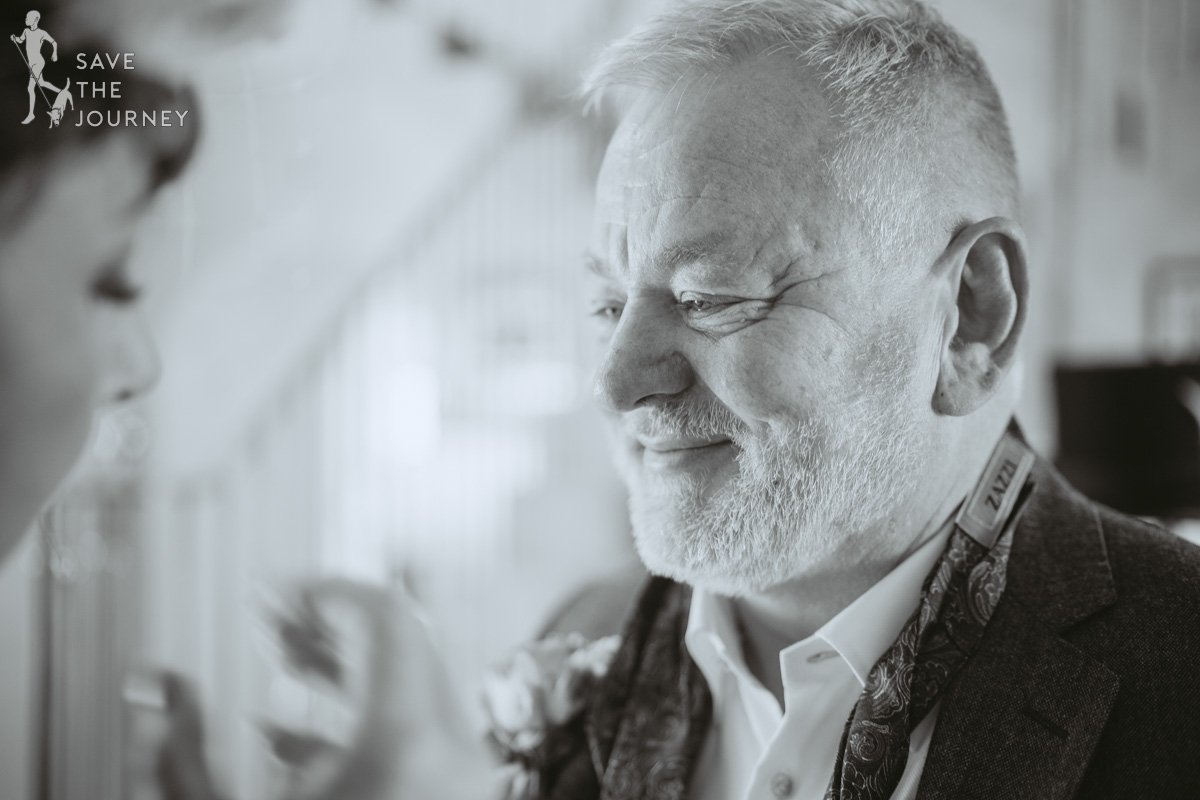
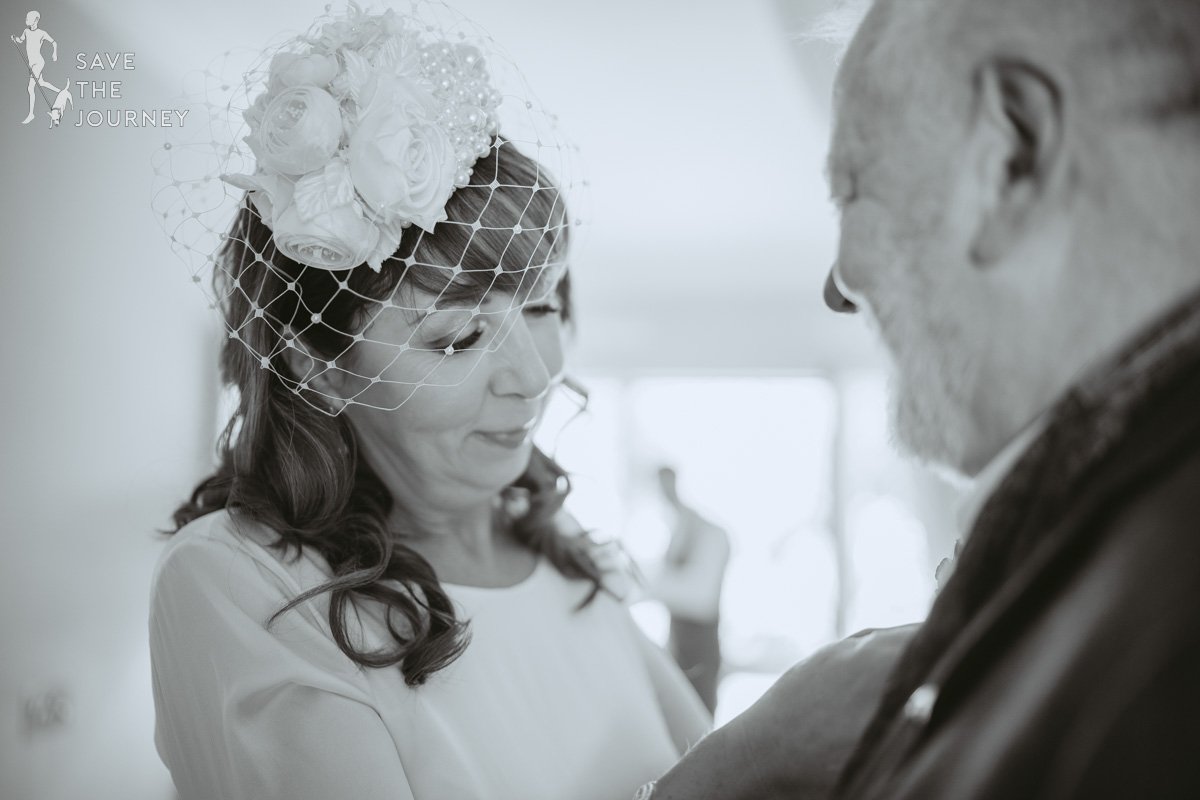
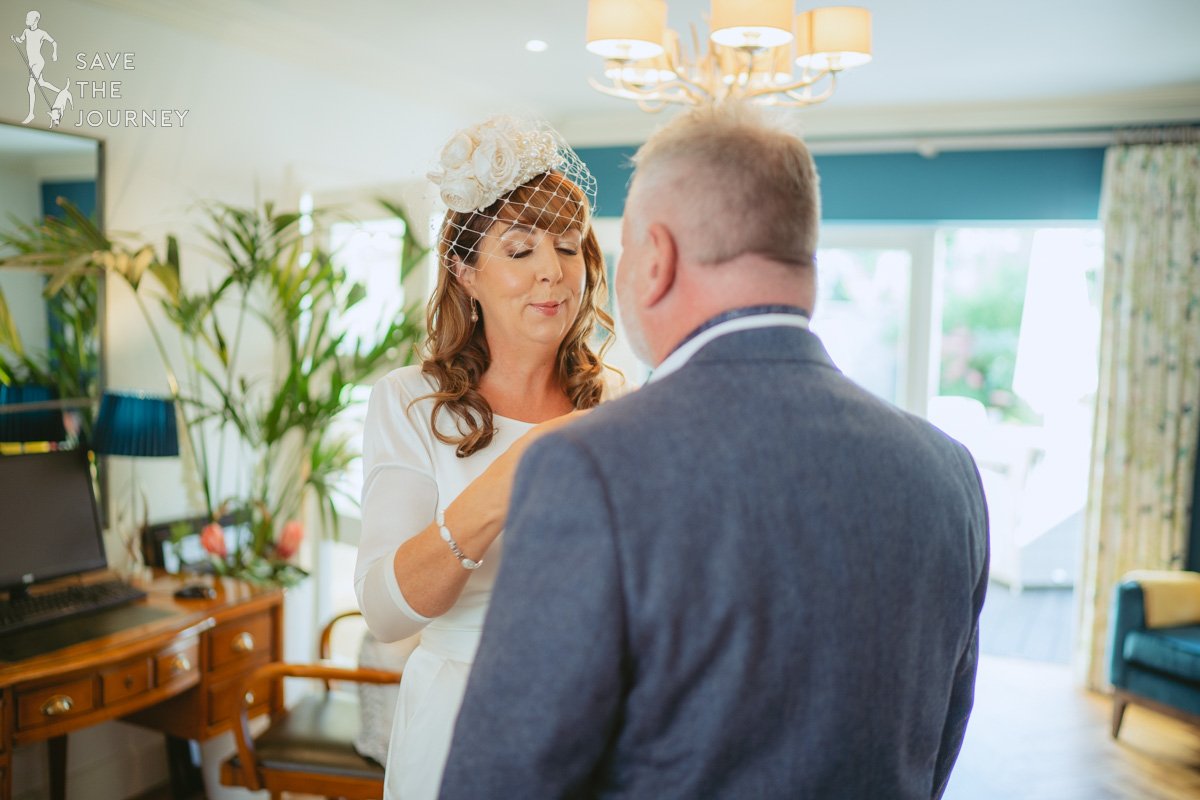
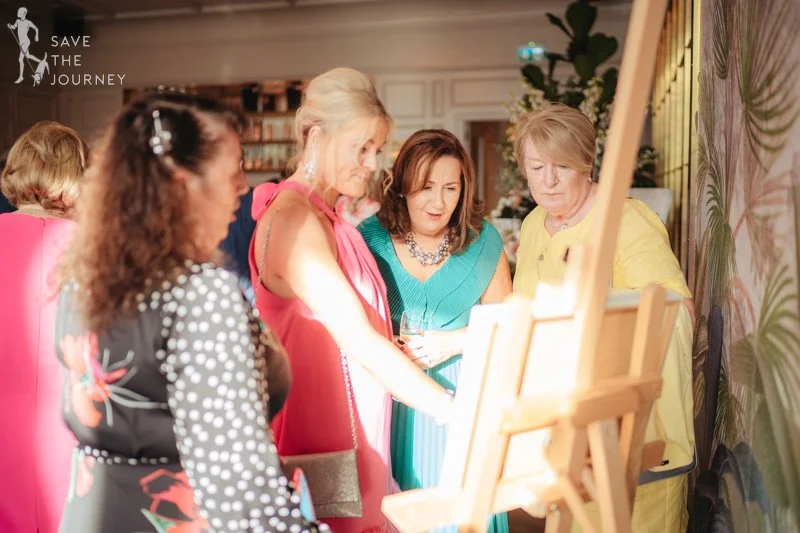
Which is why I am just going to post a bucket load of sample images I have taken with it here. There are surprisingly few sample images on the internet of this lens, so I thought I’d post some to help people make up their own mind. It might be your cup of tea, or maybe you just drink coffee. Have a look below either way.
If this lens hadn’t blown me away this much, I probably would have, and came close to, buying the Sigma 35mm f1.4 DG DN. When taking the artistry into the equation, and looking at the photos themselves, I personally prefer the Zeiss. Which actually is a bargain in itself, with used prices usually just €600-650.
Sony Zeiss 35mm f1.4 ZA Distagon vs Sony Zeiss 55mm f1.8 ZA Sonnar
Another fantastic aspect of this lens, is that it creates a very similar look to the Zeiss 55mm f1.8. I really like having these two primes on me for events and weddings. I find using a 35mm and a 75/85mm combo, as would be traditional, is too extreme for me. The gap is just too large. So I’ve always enjoyed using a 35mm and 55mm combo.
If we compare the following two images, which are very similar to each other, that I happened to take on two different days, it’s hard to tell which one is which on first glance. The give away is that the 55mm produces more swirl than the 35mm, has less vignetting, but also lacks that depth and 3D pop a bit.
Colours tend to be similar enough, and the bokeh in both lenses have that typical Zeiss look, not smooth but characterful, with the highlights appearing brighter than on other lenses. The bokeh always looks like blotches of oil paint, done by an artist, rather than someone using the sharpness slider in Photoshop to “de-focus” the background layer.
The biggest difference in these photos is that they’re not the exact same bench, so the background is a little different, though similar. I was also surprised how little difference there is in the amount of bokeh. Sure, I was closer to the family with the 35mm, but all in all, very similar as well. If only the 55mm had an aperture ring and visually, a better looking design. It’s so bland looking and looks like a budget lens. Oh what I would also do for all of my lenses to sport an aperture ring!
Sony Zeiss 35mm f1.4 ZA Distagon Sample Photo

Sony Zeiss 55mm f1.8 ZA Sonnar Sample Photo

Since this isn’t the fairest comparison, another way of comparing these two lenses is to check out these two photo shoots I did. I used both of these lenses for both shoots, having swapped lenses halfway through the shoot. Can you tell which lens I used for which photo when they are in a set? It’s much more difficult to tell here, I find.
Verdict
10/10 would buy again! It’s my favourite lens for professional portraits, family shoots, couple shoots, weddings and engagements! Definitely still a strong contender, even with all the other options available in 2022/2023 if you like the look of the images this lens produces. If not, you’d probably be better with something else with a more modern look.
Enjoy the sample photos below!
UPDATE: See how it compares to the Samyang AF 35mm f1.8 lens with my review here.