Times Are Changing. by Jan


Save-the-Journey-final.png
 

Exciting times!

I’ll cut right to the chase. This is my new logo and watermark for Save The Journey. I am so delighted with it! Especially because it does have a background story and a special meaning to me. The inspiration for this logo came from the following photo I took several years ago.
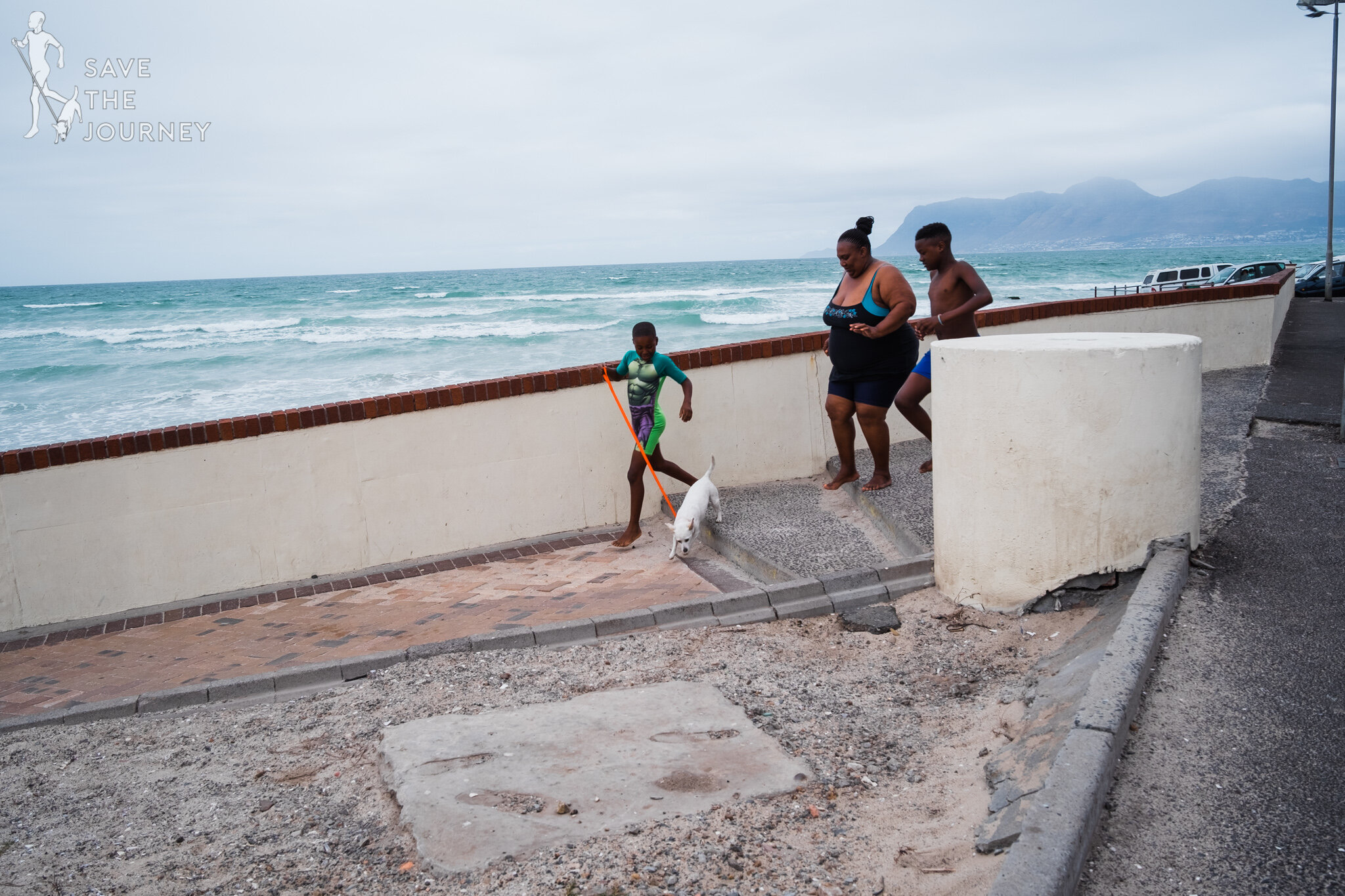

This photo was taken at Muizenberg beach in Cape Town. It’s a beach that is very close to my heart. Why? I’ll explain soon in a separate post. I have so many photos to share of it. I never understood why certain photographers keep coming back to photograph the same place over and over for years, but then I realized I do the same thing with Muizenberg. I have photographed this beach with digital cameras, with analog film, in colour, in black and white... This beach always calls me back. So I make sure to photograph it a little more every time I’m back in South Africa. I love this beach and the surrounding bays and area.

But back to the logo! I really like the feeling of adventure that this photo and logo portray. The excitement of running to the beach with your best buddy; your dog. Energy and movement is a really important element that I try to incorporate in the photographs I take. So naturally, it was important for my photography logo too.
It’s also a nice visual representation of my freelancing name ‘Save The Journey’. We are all, after all, on our own journeys, and it’s important to not always be solely focused on the goal but take our time to look around and appreciate what we have around us currently.

I decided to also push the envelope a little, and try something a bit more unique. I’m really chuffed that my photos will wear this new branding that is also more personal than my previous logo. Although it has served me very well over the years too. But it’s time to ditch the lower case letters, and be bolder in the coming years.

This older version has served me well, so long buddy!

This older version has served me well, so long buddy!

In this bizarre time, it is incredibly refreshing to have a bit of positive news that’s looking forward in my world of photography, instead of being retrospective like the rest of my blog in the last year! I’m excited to have this branding for my upcoming photo shoots, when I will be able to do some wedding photography or even some event photography again. And we can all enjoy being together in groups and enjoy our festivities! Maybe by then everyone has had the opportunity to have a haircut and is looking like their normal selves again!

Till then, you will have to make do with me doing my best, sitting in Cork city and being retrospective in these blog posts!

The Gold Standard – a Fujifilm 50-140mm f2.8 Review by Jan

Fujifilm 50-140mm f2.8 Review

Fujifilm_50-140mm_f2_8_review-8.jpg

I’ve been meaning to write this review or at least post some sample photos I took with it because for some reason there are few good reviews out there on this lens. I guess most professional photographers either need this lens for its focal length and f-stop or don’t. And since there are no real alternatives, I guess it’s just what you buy then.

But thankfully there is no need for alternatives because - spoilers right off the bat; this lens is absolutely fantastic. If you’re on the fence, like I was for ages, just go ahead and buy it! Especially for me here in Cork city, it can be tough on photographers. There are no camera rentals and only a few camera shops who don’t really cater for Fujifilm photographers. This means I am unable to try out most of my equipment before committing and buying it. This isn’t great because I end up selling a lot of lenses again. This is also why I end up writing these reviews and posting so many sample photos because I am so reliant on other reviews across the internet. Also it’s important to me to post photos that are more relevant than in most reviews. These photos are almost exclusively from professional photo shoots I did in and around Cork city.

This is the first part of the full review since I have only had this lens for half a year. And obviously no photographer has been very busy in this time period! Not in Ireland anyway. Irregardless, this Fujifilm 50-140mm f2.8 lens is such a solid performer and a definite keeper!

I have never been much of a telephoto kind of guy, much less a zoom kind of guy. I was and still am in love with my primes. Using a f2.8 zoom lens just seemed so boring. Usually I wouldn’t touch anything that didn’t start with a number 1.

But a couple of things always made me consider this lens:
1. When I used my 56mm lens, I was always surprised how close I was to subjects, and I always wished I could be more flexible with it, especially when photographing an event where each second counts. Too often would I find my framing to be too close or not close enough.
2. Sometimes, I would need a much larger focal length than the 56mm I own. Not that often, but often enough that it became annoying not to have it.

Now that I have the lens, I kinda wished I had bought it several years ago instead of the 56mm. At the time, the 56mm was still a good chunk more expensive than it is now – especially after the realease of the 50mm f1 monster, prices seem to be dropping for it! Although having said that, sometimes I am in dark environments where I do need the f1.2 aperture but then again, the autofocus is so mediocre that I now use the 50-140mm more often, even in very dark environments, as the autofocus is just instant. How silly is that? Using a f2.8 lens instead of a f1.2 in the dark. This just goes to show that there’s no point in having a lens that hits all the right specs if it can’t perform in the real world. This might sound awfully negative – after all, the 56mm lens used to be my primary lens back when I was photographing MMA fights from “ring side”. Ok fair enough, but this lens is just so much better! If the 56mm had the same autofocus, I would use it much more frequently. This 50-140mm lens just locks on instantly, in all conditions that I have tested in so far. Granted, it’s not been the most action packed work thus far but it gives me great confidence that it’ll succeed very well at anything I throw at it.
What I also really appreciate is that it has internal zooming. The lens stays the same size, no matter if you’re zooming in or out. I appreciate this for two reasons;
1. If this lens got any longer, it would be more uncomfortable to hold.
2. People don’t notice that much if you’re zooming in on them and stay more relaxed. Photographing events and weddings, any small bit that can help ease the guests or the clients, is a positive. The photographer themselves obviously makes the biggest difference, but sometimes it’s the oddest thing that can trigger a person’s anxiety or shyness.

The one “action” shoot I did have is when I took it with to our favourite, local swimming spot at the river. I took it with me in my first week of owning the lens, to take photos of my friends jumping and hurling themselves into the water. Didn’t break a mild sweat even. Although it was fairly straightforward tracking motions, mostly from left to right, not much back to front action. But it still impressed me.
These were the first proper set of photos taken outside of the house. It was really exciting to be able to sit on one river bank, photograph across the river and get fairly tight shots of my friends. The possibilities I now have are thrilling! These photos also demonstrate the focal range nicely as I was sitting in exactly the same spot throughout.
I am really surprised how often I am naturally using the higher end of the focal range on this lens. Especially since I always felt like the Fujifilm 56mm f1.2 had already a very tight FOV. Now I realize it felt so tight because I felt so restricted to it being a prime lens.

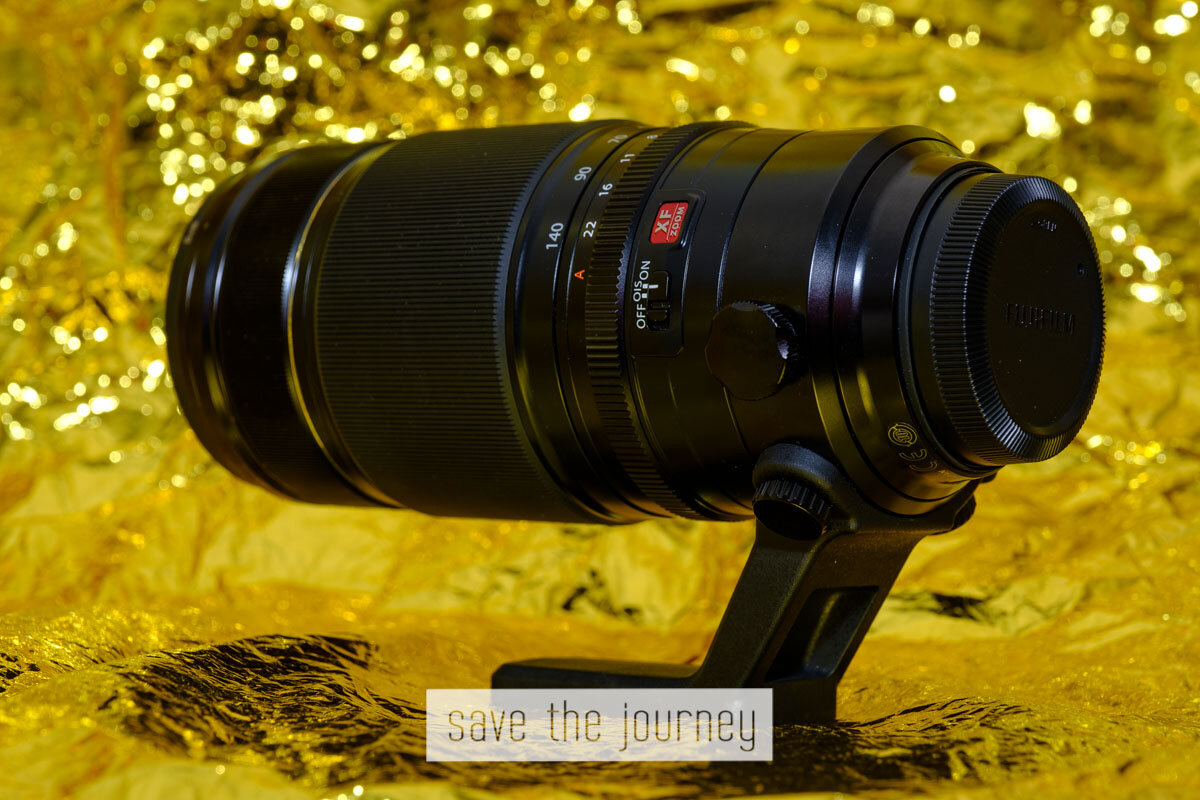
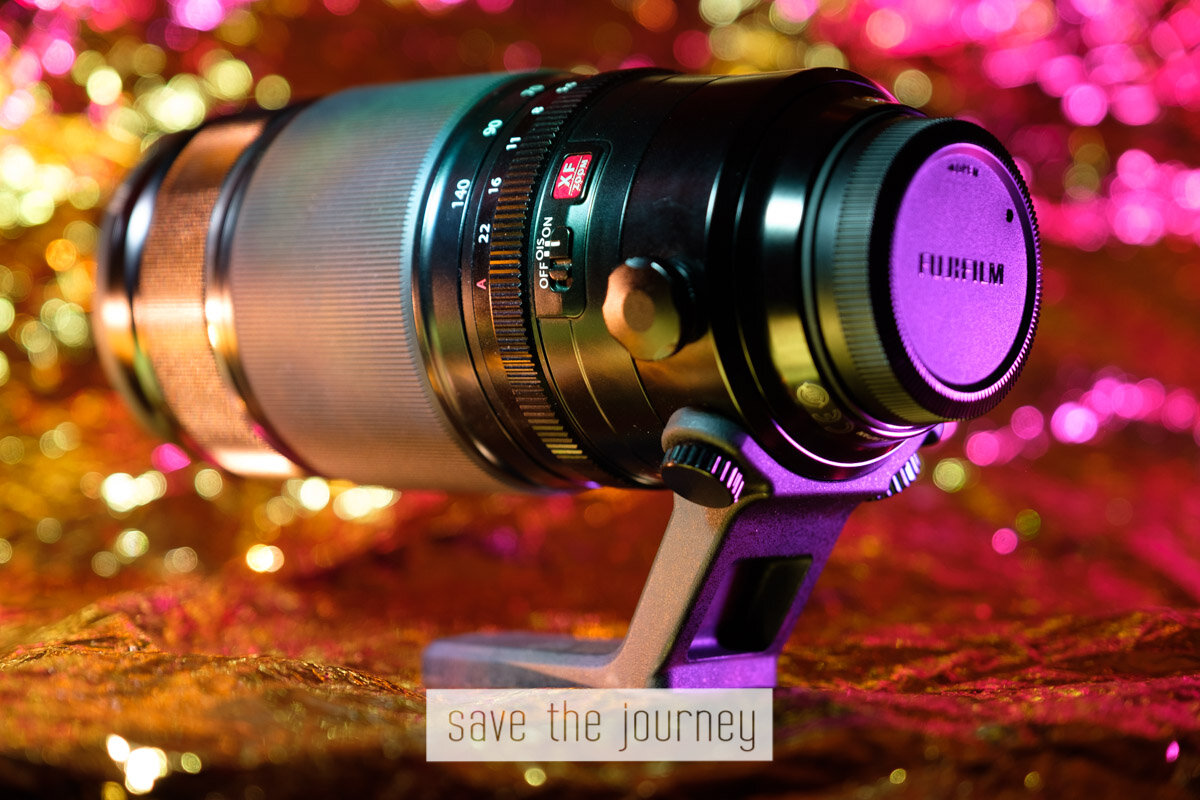
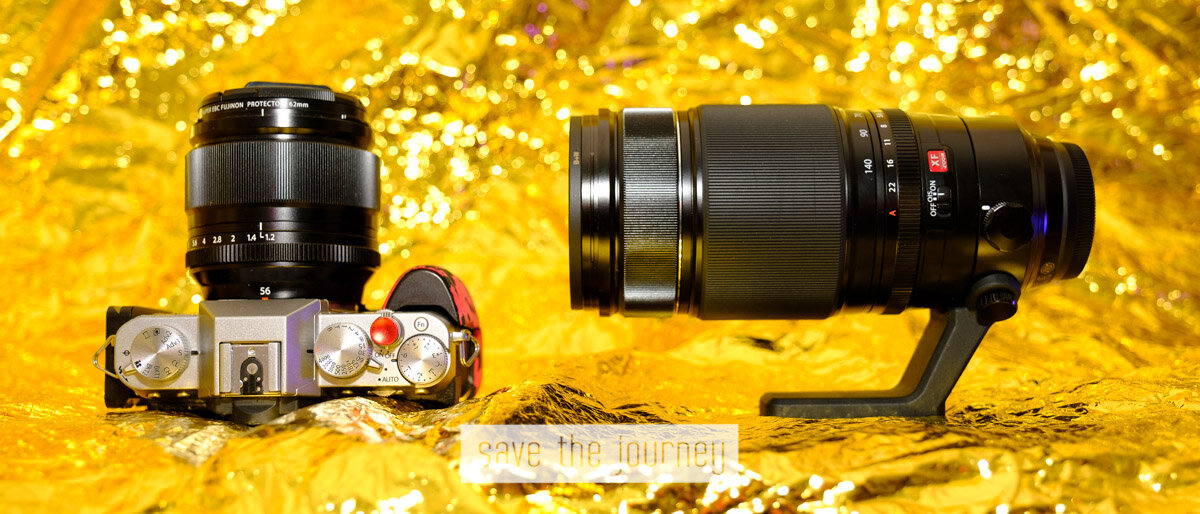
The Fujifilm 50-140mm f2.8 vs Fujifilm 56mm f1.2 size comparison.

The Fujifilm 50-140mm f2.8 vs Fujifilm 56mm f1.2 size comparison.

Size wise it is by far the largest lens I own or ever have owned. In the photos above, it is compared size wise to the 56mm and below are some photos of it mounted on an X-T20 with an add on grip. I also put it next to the 56mm for another size comparison. I lined up the lenses at the mount.
The large size doesn’t bother me at all, but this obviously a very personal issue. I would never really use this for my personal work, besides the occasional river shoot! For me, it is a purely professional lens. Hence, the size and weight makes no massive difference to me. Although, I did once meet a photographer who was using a Canon 1D mark whatever it was at the time, with a Canon 70-200mm f2.8 lens. That was a behemoth to hold. The Canon combo weighed double as much as my Fujifilm set up! I wouldn’t be able to photograph a full day, or even a half day, event with that combo! At least not without working out regularly.
I think in this mirrorless generation that we find ourselves in, we are very lucky at how easy and light and beautiful everything has gotten, from cameras to images. I think we often forget or maybe didn’t experience the previous generations of technology to really appreciate things today.

The lens comes with a foot for easy mounting on a tripod. I leave the foot on the lens at all times, even though I do not mount it on tripods very often at all, but I find it more comfortable to hold the foot instead of the lens for stabilization. Talking about stabilization, this lens has built-in version and my god, am I thankful for it! It’s sister lens, the Fujifilm 16-55mm f2.8 doesn’t and eventhough I did wish it had it sometimes, especially for the price I paid for it, it’s not a dealbreaker. With this lens, it would be. The stabilization works very well and importantly, makes my life easier to frame my subjects nicely. Even if my shutter speeds are high enough not to need it, it does just make the image in my viewfinder smoother for me. I like that. Anything to make my life easier is a happy addition.
Oh, and there is a dedicated button for it on the lens, which I love! This is why I love Fujifilm cameras so much. I love dedicated buttons and knobs that I can adjust even when the camera is off!
The bizarre thing with the image stabilization is that you can hear it whirring away. When I initially received the lens I was dismayed because I thought it was defective and I would have to send it back. I jumped on the internet and it turns out everyone’s copy does this. I don’t think it’s an issue but it sure would be nice if they could warn you beforehand!

When it comes to image quality, again, it’s such a personal opinion, but I usually don’t get too caught up in the actual quality of it. To me the look of the images are very important to me, ie. what does the overall image look like, what does the bokeh look like, how’s the contrast and micro-contrast, how are the colours? Are there any nasty bits, like severe colour fringing, hazing?
If I, for instance, look at the APS-C mirrorless lenses from Sigma (for Sony) or even the new Viltrox lenses, they just don’t look exciting enough to me. They both lack the kind of contrast I like, and just look too clinical. The same with the Fujifilm 35mm f2. A fantastic lens but just a bit boring. Which is why I ended up selling it. After much deliberation between the Fujifilm 35mm f1.4 and the Samyang 35mm f1.2, I am now extremely happy with the Samyang. In my opinion, the best 35mm lens for the Fujifilm mount.
When I use a lens, I usually know by the first 10 photos if I will like it or not. With the Fujifilm 16-55mm f2.8 lens, I took one test shot, looked at the photo for a second and instantly knew I would get on very well with it. With this Fujifilm 50-140mm f2.8 lens it took me maybe 2 shots. A moment of hesitation due to breaking my Fujifilm zoom virginity.
(All the product photos of the Fujifilm 50-140mm f2.8 were taken with the Fujifilm 16-55mm f2.8 lens, just by the way.)

These were the first couple of images I took with it. Nothing crazy but enough to prove its quality to me.

Not to drag the Fujifilm 56mm f1.2 through the mud again, but according to Lightroom I’ve shot almost 6000 photos with it, and I’m still unsure if I like it or not. Some photos I have taken with it, I absolutley love and adore. But a lot of them, I’m just a bit uninspired with. Just a bit “meh”. They’re not bad, not terrible. They’re just not as great as all my other lenses. I know, some people reading this will think it’s an outrageous comment, I just think it’s a tad too sharp and a smidgen too clinical. Too perfect.

Sharpness is irrelevant to me, so long it’s not too extreme either way. But after taking the following shot, I realized that there were people, probably teenagers, at this abandoned house. I only saw it in post (zoomed in at 100%).

Some foreground and background bokeh test shots on my bike. It can get a bit swirly in the right circumstances (in left image). Also, would you believe that this pokey monstrosity in the background is Ireland’s tallest building? In the whole Republic?? It always makes me laugh, but I love it!

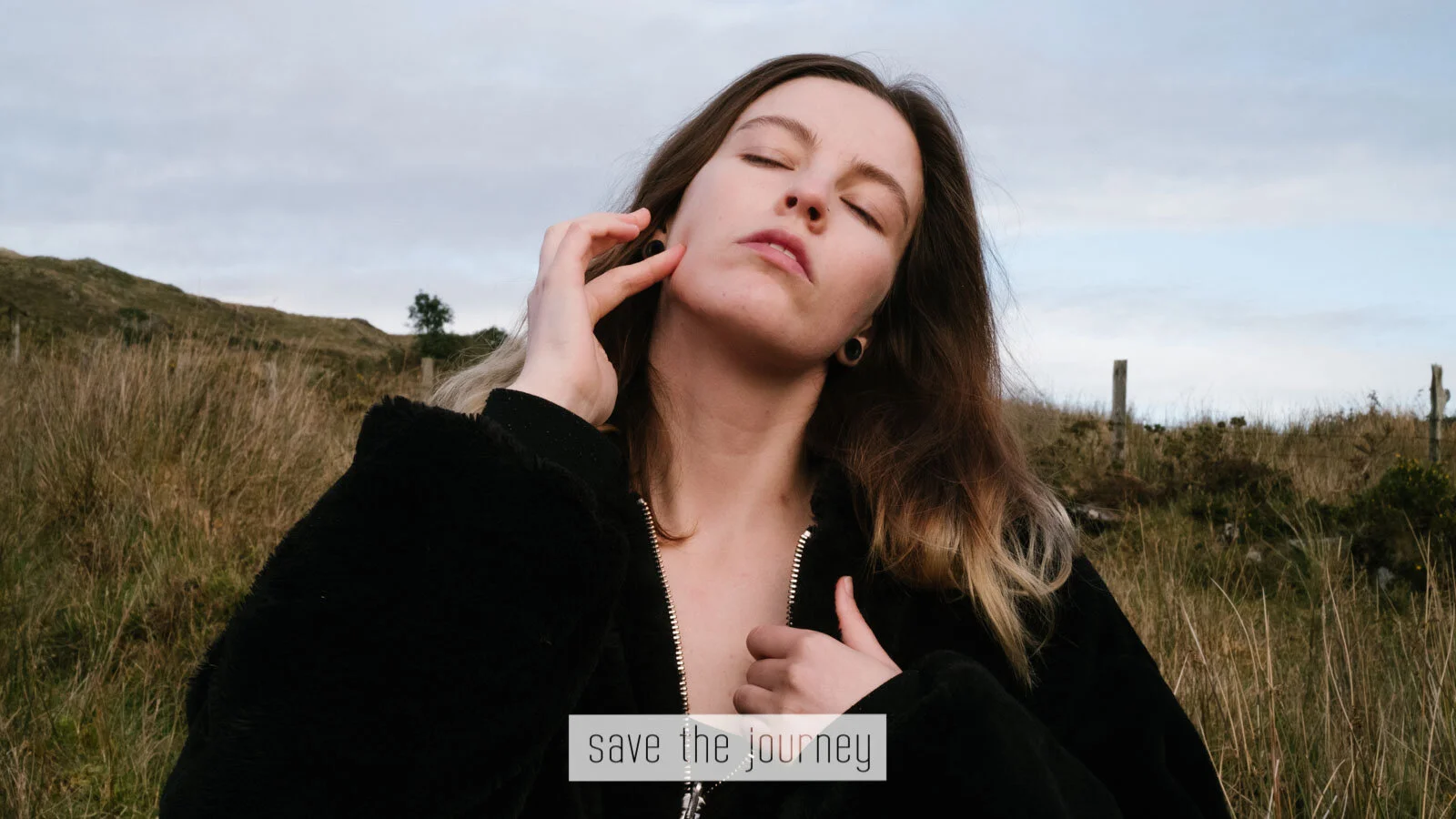
When it comes to portraits, this is the area where this lens is a dream to use, don’t you think? This is a friend of mine who kindly let me photograph him during some location scouting for a wedding that I was briefly allowed to photograph due to the restrictions at the time.
If this had been a proper photo shoot I would have insisted on a single backpack strap! The double strap is handy but a single strap is how the cool kids do it nowadays! Haha!

And here is a lovely shot of Cork city. I love to photograph from this hill, the cityscape is just spot on. The wedding couple (further down below) was photographed on this very hill. The sun was much harsher on the wedding day, even though it was in the same spot, at the same time of day.

The following photo clearly demonstrates the one, slight downside of this lens. Generally the bokeh is really nice, especially for a zoom, but sometimes like here, it gets a little busy. I don’t really mind it too much, especially as it only happens in certain circumstances. I haven’t confirmed it yet but I think it happens only on the wider end of the focal range.
For me it’s a minor trade-off for everything else that is good about this lens. But a zoom will rarely ever be as good as a prime lens!

Fujifilm_50-140mm_f2_8_review_portrait_3

As I mentioned, this day had much harsher sunlight, but the lens had no issue at all with the slight backlit environment. I did have the lens hood on, but I reckon there was still a lot of sunlight hitting the front lenses directly.
The wedding couple wanted some of the famous Cork city landmarks in their photos and as their photographer I was more than happy to oblige. So we have the Four-Faced Liar in the first image and St Patrick’s Hill and Street in the third one. Fun fact: St Patrick’s Street was once featured as part of the Tour de France route. A little tidbit there for you.

The following photos are a set that accompanies a film that can be found here. There’s also the entire information to this project, which would be too much to re-write here.
I was shooting mostly at f8 and f11 for these as it was important for me to get the background visible too.

Cheeky ‘Suds Johnson’ also got the Fujifilm 50-140mm treatment! A local, Cork city, soap and cosmetics company. I went out into Cork County, into the countryside to shoot these products.
If I would have re-done the shoot today, I probably would have used the 16-55mm lens instead, at least for the smaller items. Its magnification is significantly better, and often I found myself always on the close focus limits with the telephoto zoom. It all worked out but it would have just been that slight bit easier with the 16-55mm I suspect, although I didn’t own or have access to that lens back then.
Here is the post on the product photo shoot for more info and how exactly I ended up shooting it. And especially why outdoors and not in a fancy studio environment?

And lastly, we have a portrait session I did with Alex. Again, more info here if you’re interested.
The following photo also highlights something I have learnt to love about telephoto lenses. A telephoto lens has more background blur than say a 35mm f1.4 lens, but it has a larger depth of field. I photographed Alex at f2.8 and 140mm, trying to blur out the background as much as possible, but if we look at his hands, they’re completely in focus. His whole body is in focus. If I had photographed him up close with a 35mm lens, the background wouldn’t have been as blurred but the depth of field would have been narrower and his hands would have been out of focus. Depth of field is not equal to the amount of background blur.

Portrait_photographer_cork_city_1

As a short summary, I would like to just say that I really look forward to using this lens more! Everything I’ve used it for thus far, it has been excellent at. I like that its build quality is top notch, that the autofocus works so seamlessly, the IS is spot on, everything just works. It’s the gold standard! Oh, and it has WR! Not that important to me but it’s nice to know it has it. Especially in Ireland which gets so much rain, and even more so down here in the south, in Cork city.
I like this lens so much that it made me buy the Fujifilm 16-55mm f2.8 as well. Me? Buying a zoom? An f2.8 zoom? And enjoying it?? Who am I? I haven’t used that one professionally yet, due to everything that’s going on in the world at the moment, but for little things even, like photographing the Fujifilm 50-140mm it worked so well. Just zoom in and out, no changing lenses, not having to use two bodies. Even the “macro” abilities are pretty good. Don’t get me wrong, I will still be using my primes, it was only a short while back that I declared my favourite lens ever, and that hasn’t changed. But after years and years of always having the limitations of using prime lenses, it is so freeing to use a zoom every now and then. And at the end of the day it’s all about having the most keepers, the most photos! And if an “unsexy” zoom lens allows you to get great shots instead of a f1.2 lens then that’s what you should use. I mean I. That’s what I should use. I’m still getting used to this whole zoom thing.

Hopefully in half a year or so I will have had more experience with it and more shoots to have a definitive opinion. I can’t wait to take this lens to do some event photography and wedding photography! But for now, I’m sure all these sample photos will do. I will need way more time to come up with something for the Fujifilm 16-55mm f2.8. I only got that one recently.

Maybe a quick list of my opinion thus far on the 50-140mm:

Good:
++ Autofocus
+ Images are great (great colour and contrast)
+ WR
+ IS (Switch on lens as well)
+ Internal focusing
+ Pro everything

Meh:
· Size
· Sometimes iffy bokeh
· Could imagine that an a focus limiter switch would be good in certain situations (like Canon lenses have)

Bad:
- Price
- Lens hood

Thanks for reading, I hope this helps someone who’s deliberating this lens. If you would like to read more, why not check out my favourite lens of all time, or check out my other gear reviews here.

Business by Day, Party by Night - Samyang 12mm f2 lens review by Jan

Disclaimer: All photos were taken pre-pandemic

Samyang 12mm f2.0 Review

Samyang_12mm_f2_review_cover

The Rokinon/Samyang 12mm f2 (which I will plainly name the Samyang 12mm f2 from hereon), was my first Samyang lens I bought. In my ownership it has an extremely contrasting job description because of its ultra wide angle focal length.

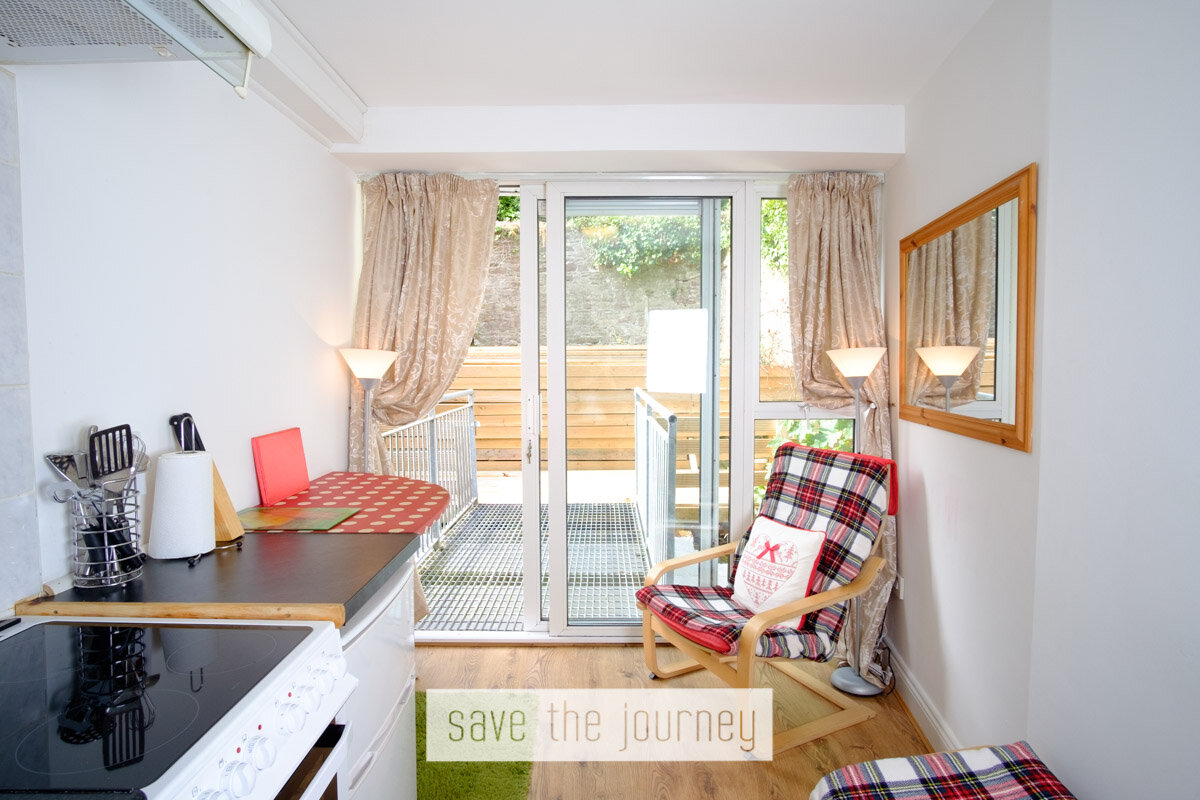
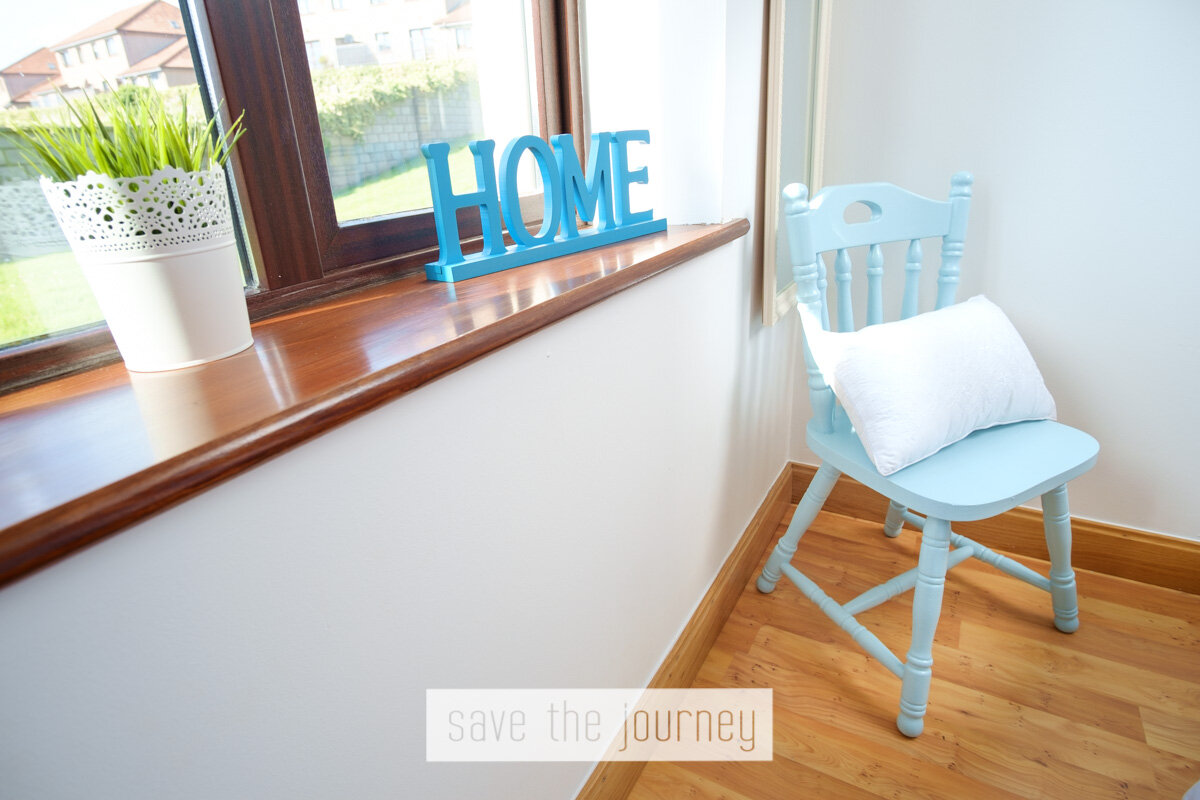
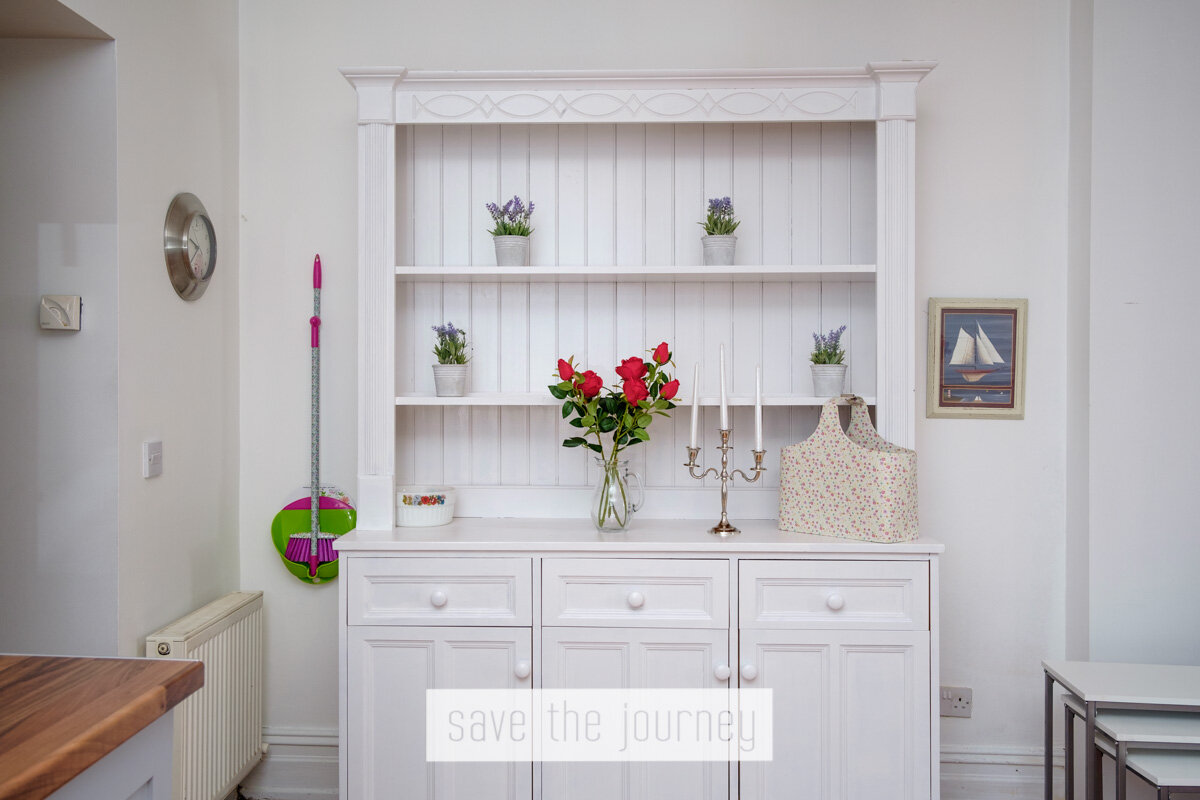
Initially I bought this lens as I needed something wider for my real estate photography here in Cork city. Using an 18mm lens was just not wide enough to capture all rooms in an apartment or house. The broom cupboards and bathrooms always proved troublesome. Especially here in Ireland where houses always seem to be smaller, rather than larger. Here are some real estate sample photos of the Samyang 12mm f2 in action, but importantly, this is probably the least interesting part of this lens review. Hence why I am rushing this part, because I figured out a really cool way on how to use this Samyang lens, and exploit it’s ultra wide focal length to the utmost. I’m sure this will interest you more than real estate photography in Cork city.

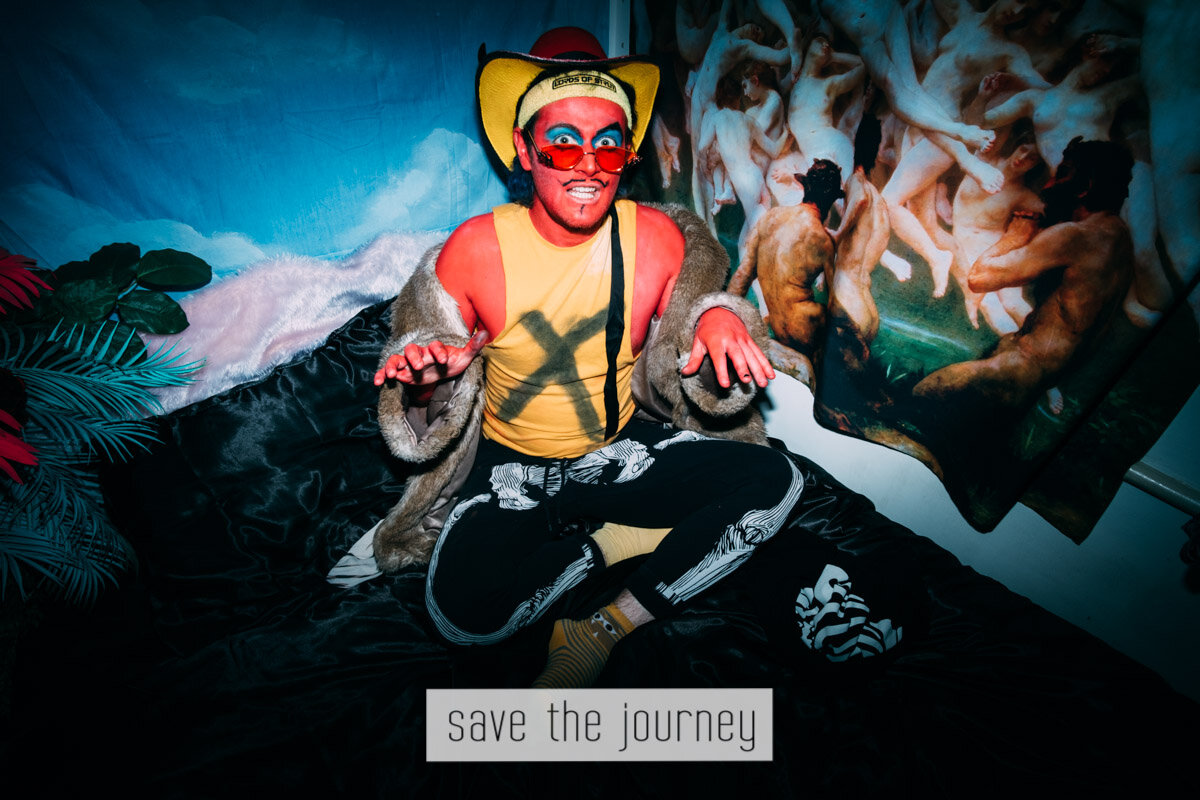
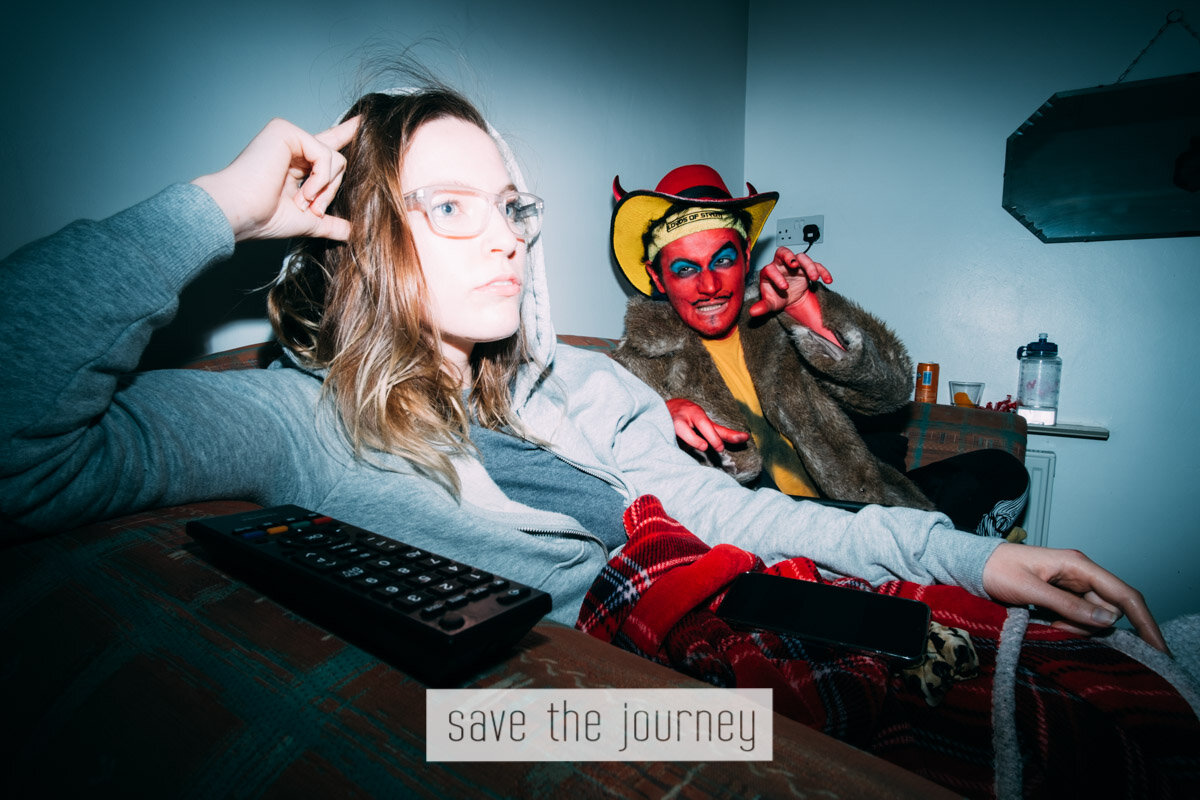
Business over, this is the ultimate party lens! And it’s all down to the characteristics of an ultra wide angle lens. And this Samyang 12mm f2 absolutely nails them.

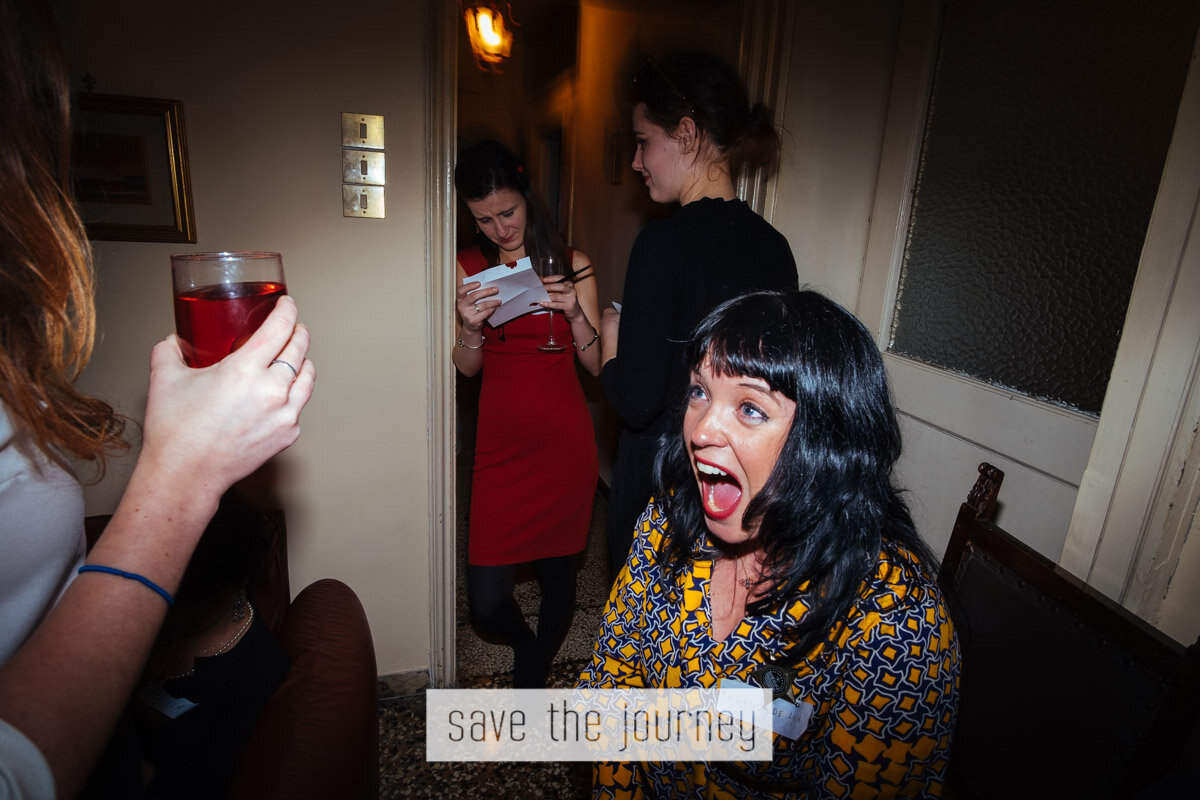
Hey, that’s me!

So what are the characteristics of an ultra wide angle lens?

The most obvious answer is that it’s primary function is that it has an ultra wide focal length. That means, you basically have to just vaguely point at the subject in question and take the photo. Looking at the screen or through the viewfinder becomes an afterthought and yet, I can almost guarantee you that your subject will be in frame.

The secondary characteristic is that it has a much wider depth of field than, say, a Fujifilm 35mm f1.4 lens, or the bokehlicious Fujifilm 56mm f1.2 lens. This means focusing is not very difficult, even more so when stopped down, where it isn’t even a necessity.

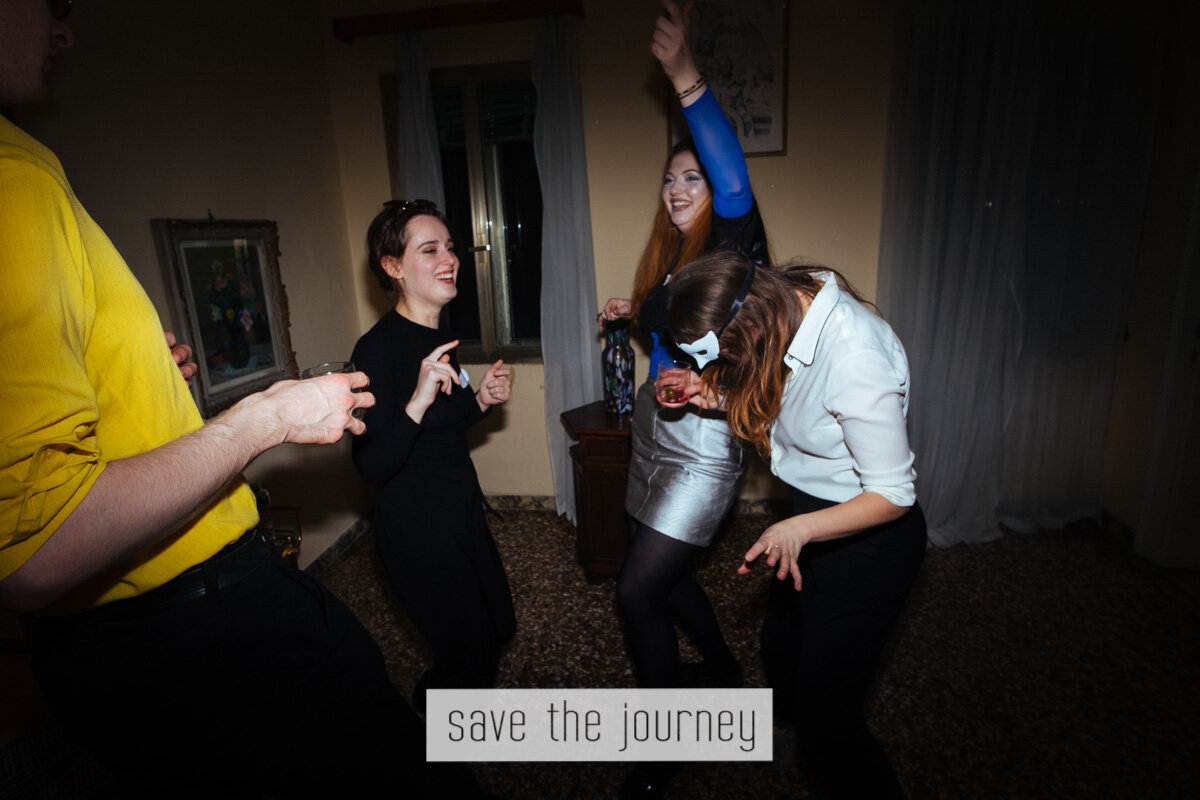
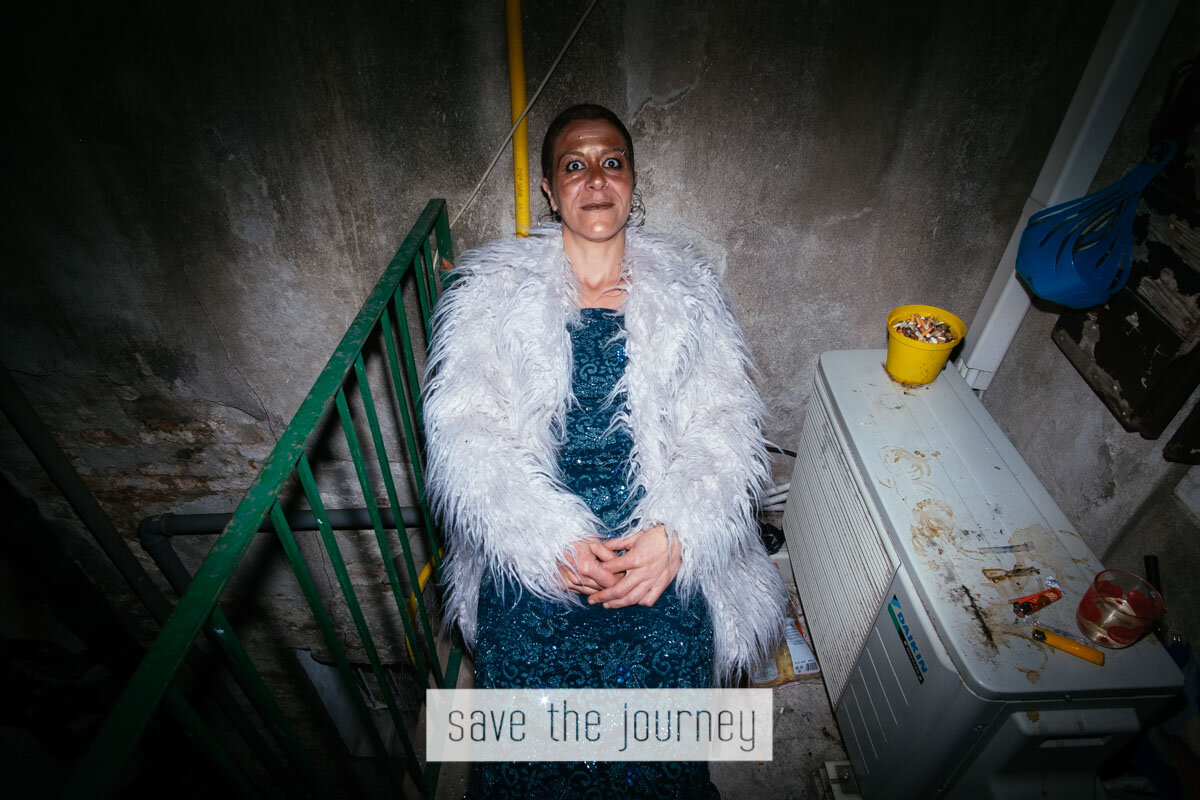
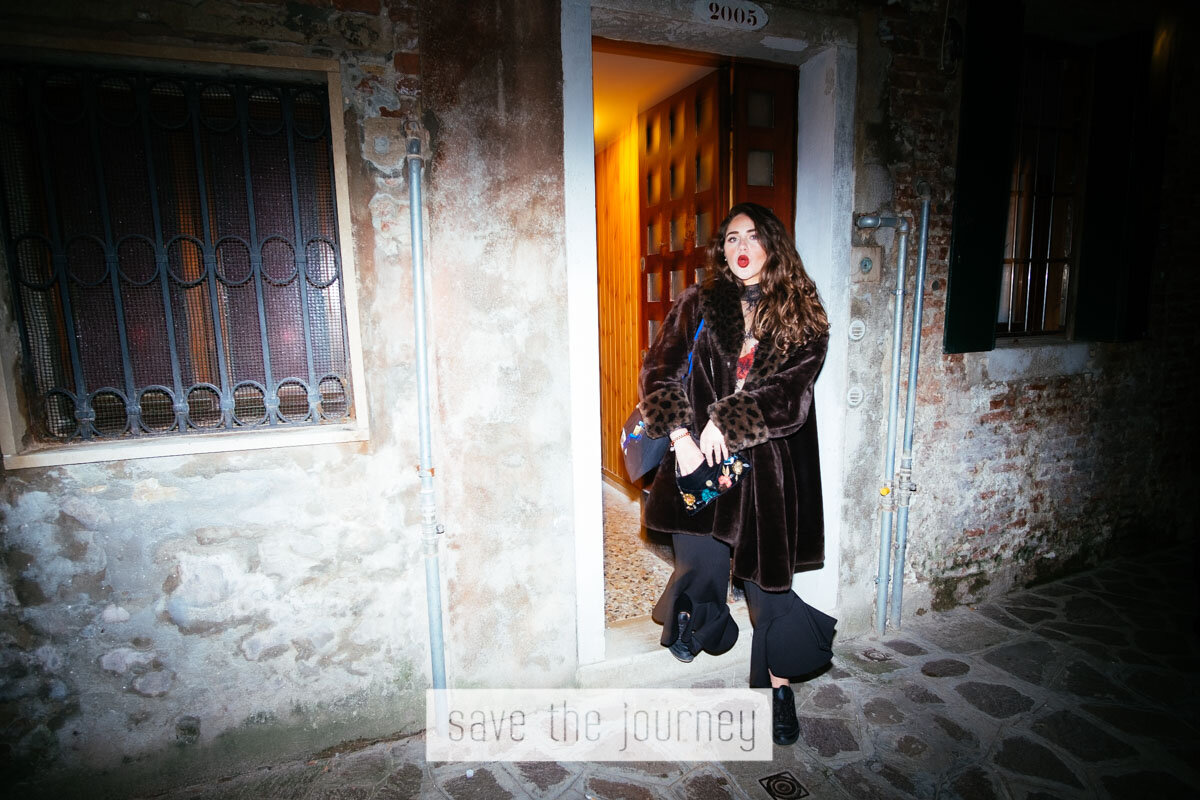
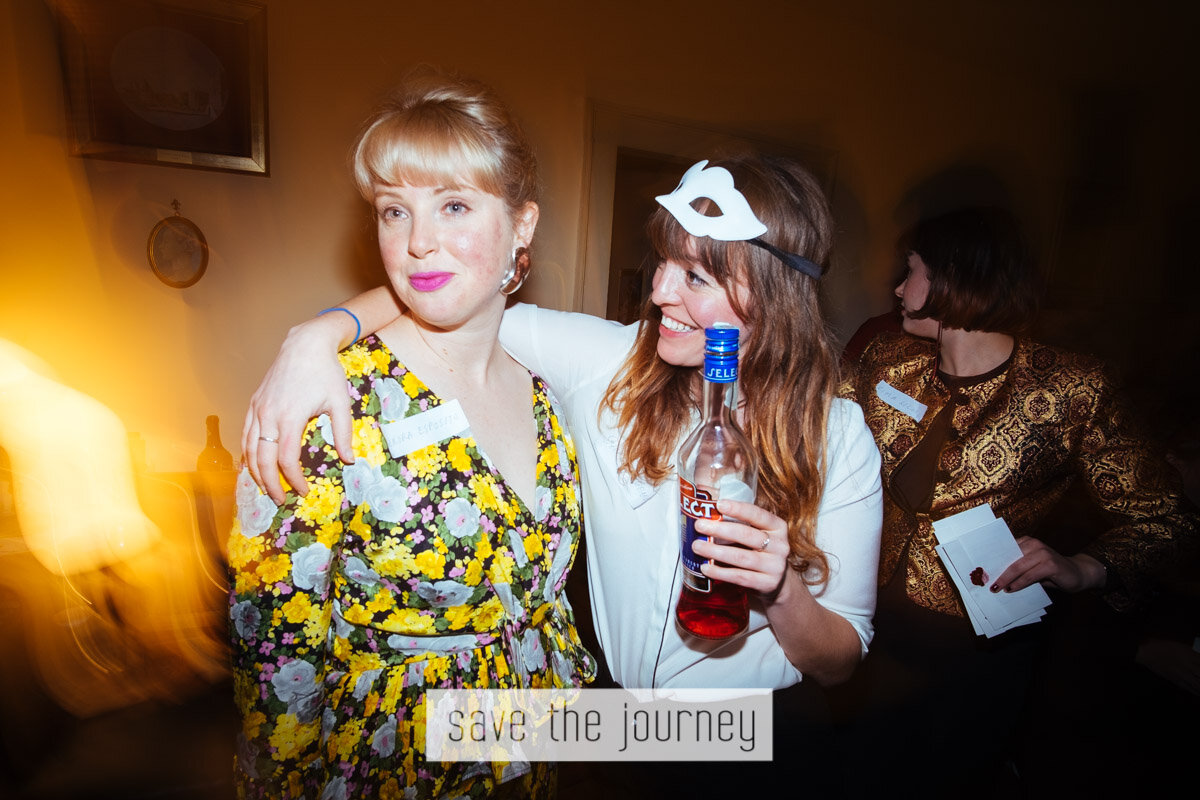
Let’s put those two characteristics together and boom - we have a perfect party photography combo! Add a flash on the camera, stop down the lens to f5.6-8, focus to about 0.5m, set the manual exposure and importantly, zoom the flash to 28-35mm (full frame equivalent) focal length to get some delicious, natural vignetting.

I personally love this look.

With this set up, the camera works instantly and becomes a speed demon. After all, there is no auto focus, or any other automatic process slowing it down. This is especially noticeable on older Fujifilm cameras, like the X-E1 or X-Pro1. This is a handy side effect if you don’t want to take your newest and best Fujifilm camera to a party, especially after a couple of drinks.

I use the Yongnuo 560 IV flashes, which don’t cost a lot either, and this Samyang 12mm f2 lens is very affordable too. So feel free to pass this camera around to friends as the party continues. Just blindly aim, you don’t even need to hold still, use the flash and slow shutter speeds to get some nice light streaks running through your photo. Every shot will look cool!

I think this lens was intended for astrophotography, so Samyang made the focus ring quite stiff to prevent accidental shifts caused by bumps or nudges of the focus ring. Even better for this situation! It’s another positive.


This is the smallest lens I own. Always good to have in my pocket.

This is the smallest lens I own. Always good to have in my pocket.

This is why it’s such a contrasting lens for me. On one end I use it for professional work, and on the other it’s my ultimate Friday night lens.

I think this lens is common enough with numerous existing reviews that I do not need to cover the basics, like the slightly stronger distortion (which I actually like for my personal photography but is a little annoying for my real estate photography, yet fixable in Lightroom), vignetting, CA, sharpness etc.

Maybe one thing that I would like to mention is that it does seem to have warmer colours than all of my other lenses. I often find myself editing the white balance in Lightroom to be cooler in comparison, to get the same results in colour. It’s not an issue really, just a slight annoyance sometimes.

Make sure to have your UV filter and lens hood on at night! It might not be an expensive lens, but there’s no need to be reckless either!

Make sure to have your UV filter and lens hood on at night! It might not be an expensive lens, but there’s no need to be reckless either!

Otherwise I’m delighted with the quality (both build and image quality), price and size of it. The colours and contrast also are typically Samyang, and that’s a massive compliment in my eyes. There’s a reason why I also own the Samyang 21mm f1.4 (incidently my favourite lens) and the Samyang 35mm f1.2 (which I personally think is better quality than the Fujifilm 35mm f1.4). Although these lenses have been around for a while, they are part of the newer ranges which are much better than the SLR range they had originally (like the famous 85mm f1.4 which I was very disappointed with).

The two negatives for me are basically all the same ones I mentioned in my other review on the Samyang 21mm f1.4.
I did wish that the Samyang lenses would have an electronic chip that would store the lens name in the metadata. I know you can set it in the camera, but I often forget to change it or don’t have the time to change it. Being able to check the metadata is not vital but would be really helpful sometimes.
With this 12mm lens I also had the issue that infinity focus wasn’t perfect. I managed to open the lens and correct it but I did wish it came correctly calibrated from the factory.
Those really are the only annoyances I have with this lens. But having an f2 lens at this focal length and price and quality is phenomenal, so I’m not too upset. Using this lens at f2 also offers more bokeh than expected. Definitely more so than the Fujifilm equivalent, the 10-24mm that would struggle, being just f4. Yes, Fujifilm makes the more expensive 8-16mm f2.8 that would only be one stop off this lens, but with the price difference you can hardly compare the two lenses.

Samyang_12mm_f2_review_11

I really like wide angle portraits, although I must admit, this one is a bit extreme. But having this one photo in a set of portraits that I shot around the Cork city harbour, might help your model or you yourself, the photographer, stand out.

The next time you’re deciding which lens to use for a certain event or situation, it doesn’t hurt to think a bit laterally on how you can achieve the most “keepers”. In certain environments you are forced to use the most light sensitive lens you own (like the time I was a MMA photographer and was forced to use my Fujifilm 56mm f1.2 as my primary lens, because those arenas are surprisingly dark).

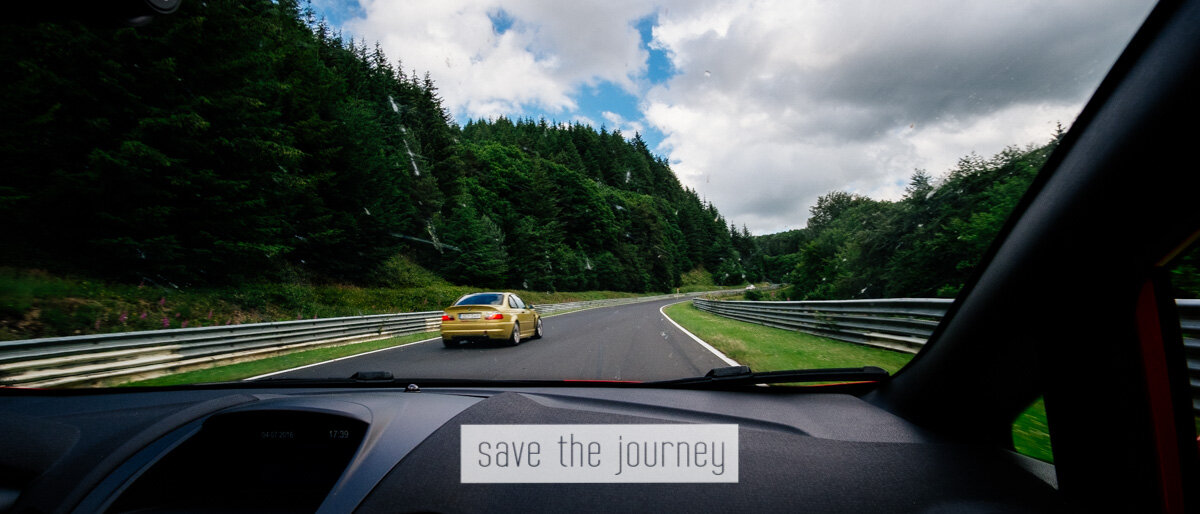
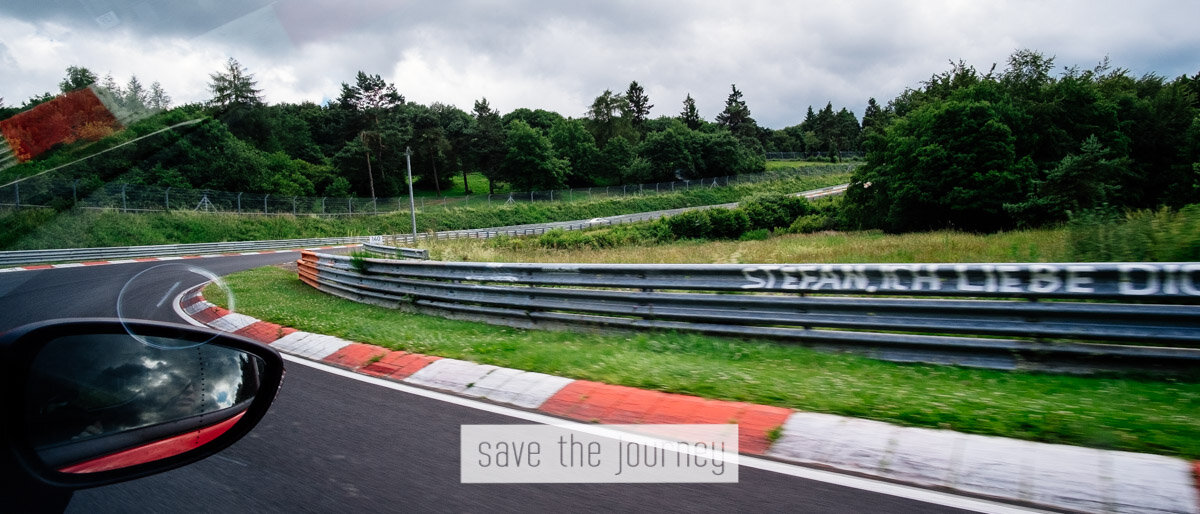
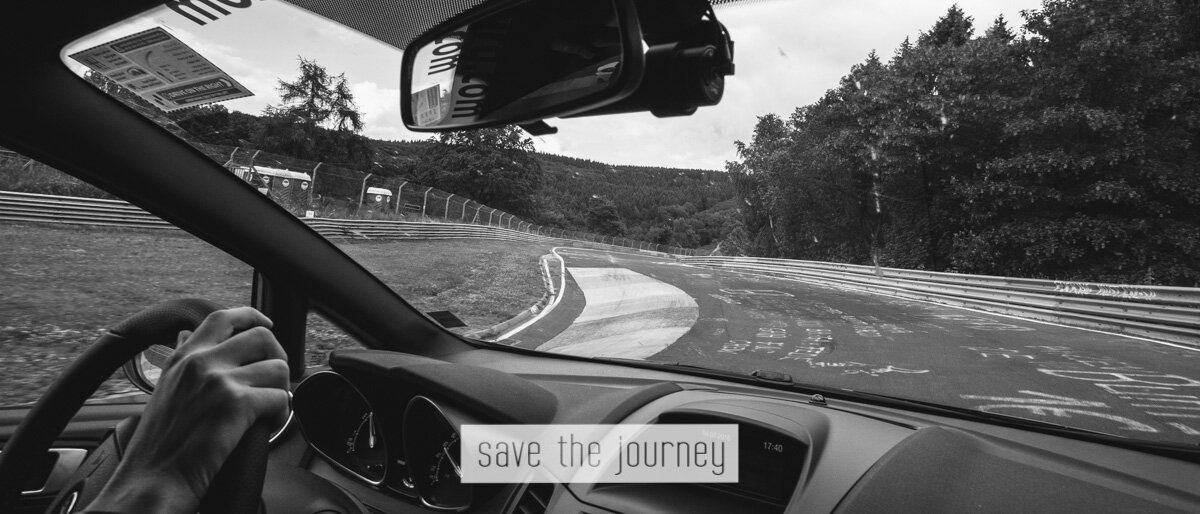
Other times, like when I went to the Nurburgring Nordschleife for a Touristenfahrt, I had my partner take photos with the Samyang 12mm f2 attached, as a quasi high end GoPro. It was a good decision because my partner was concentrating too hard on not vomiting. Focusing or doing anything more than “spraying and praying” would have been impossible.

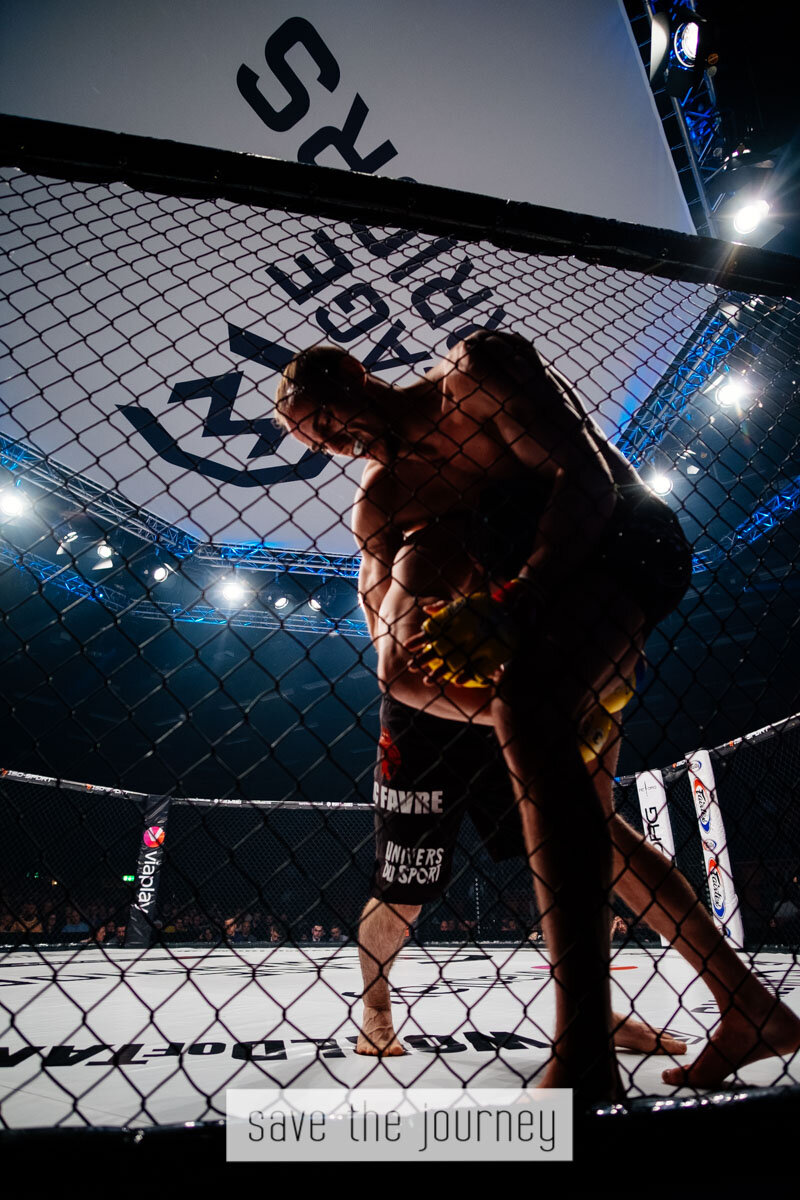
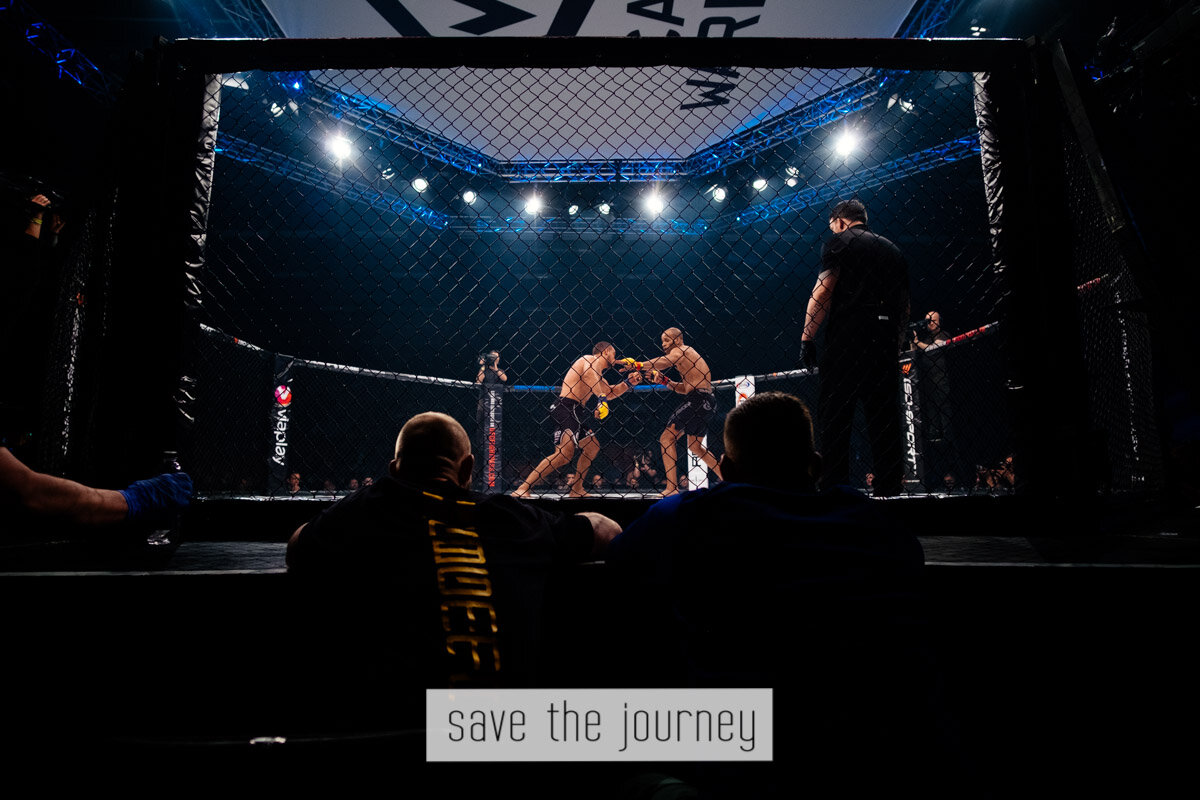
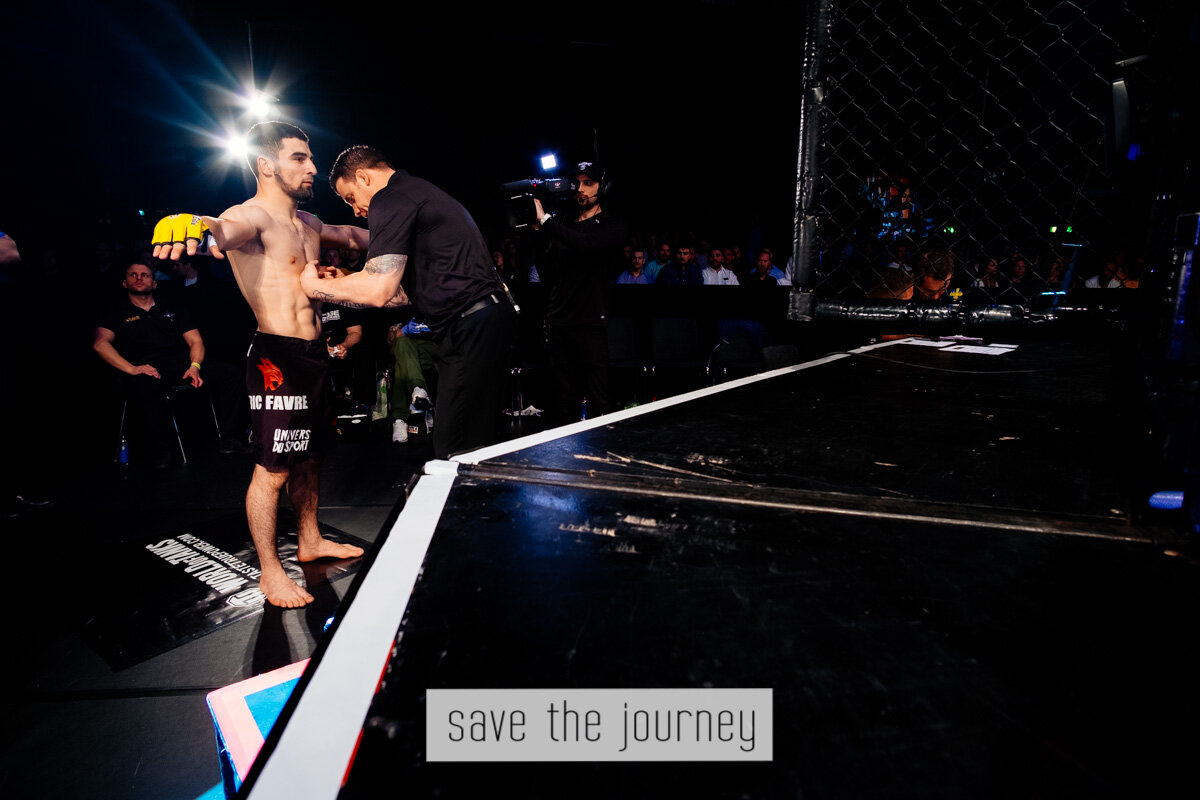
And to end it off, here are some MMA photos as well. These were taken in Sweden at a Cage Warriors event. When all other photographers were always photographing with telephoto lenses, I liked to whip out this alternative lens every now and then to get shots that no one else would have. And honestly, they’re some of my favourite MMA photos of all time.

Conclusion

I would really recommend this lens to most photographers. Not everyone needs such an extreme focal length, but for the price, it really is fun to just have in your camera bag and use it every now and then. Unlike other cheaper, or more affordable, lenses, this one won’t stand out negatively in comparison to your other, higher quality and more expensive lenses either (looking at you Fujifilm 18mm f2 here! - half a joke).

I also recommend checking out other Samyang lenses too. A lot of photographers are put off by the manual focus, which I get, but it’s way easier than a lot of people think. I’m not sponsored by them just by the way. I just really like them and find it odd that they’re often overlooked.

Feel free to check out my Samyang 21mm f1.4 review here or go completely left field and go back to the old medium format years here (what is a TLR??).

Update:

Check out this blog post too of a basketball game I photographed with this Samyang 12mm lens.