S&R - Wedding at FOTA House by Jan

Third time lucky is what they say, isn’t it? Venues, that is.

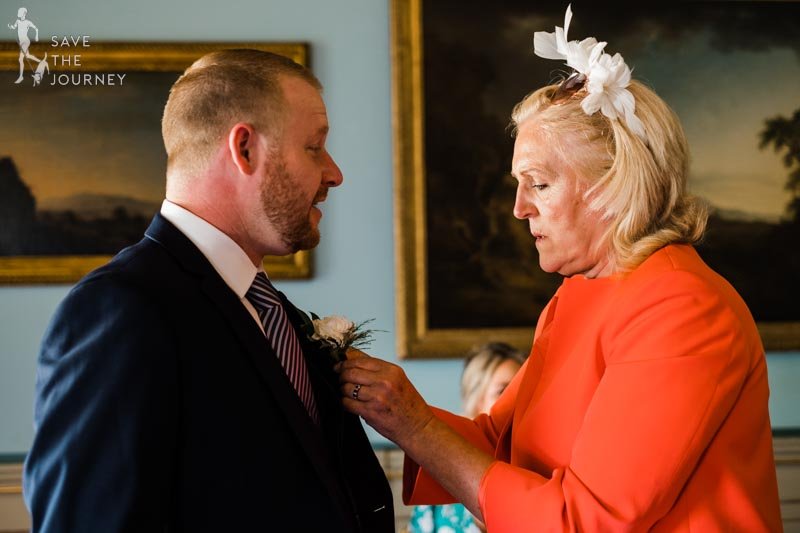
This is Steve and Rachel. Just post their wedding ceremony. All the documents have been signed, the rings have settled on each other’s fingers.

The temperature was mid to late 20’s, not that anyone was complaining though! We’d gladly take this sunshine and beautiful weather for a wedding day in exchange for some sweat. It was one of the best days to get married on. Good thing it didn’t go to plan the first couple of times. Not for a lack of trying though!

It was all, unfortunately, due to the pandemic (I won’t dare mention the ‘c-19’ * ahem * everyone is talking about). Three dates and three venues later, and we find ourselves finally for a beautiful wedding at Cork’s FOTA House. This gorgeous venue is not unaccustomed to hosting weddings, and luckily for me, it’s a wedding photographer’s dream! It’s almost as if you don’t even need to try to get a good photo with a building like this.

Pre-Ceremony Preparations

Bride Arriving

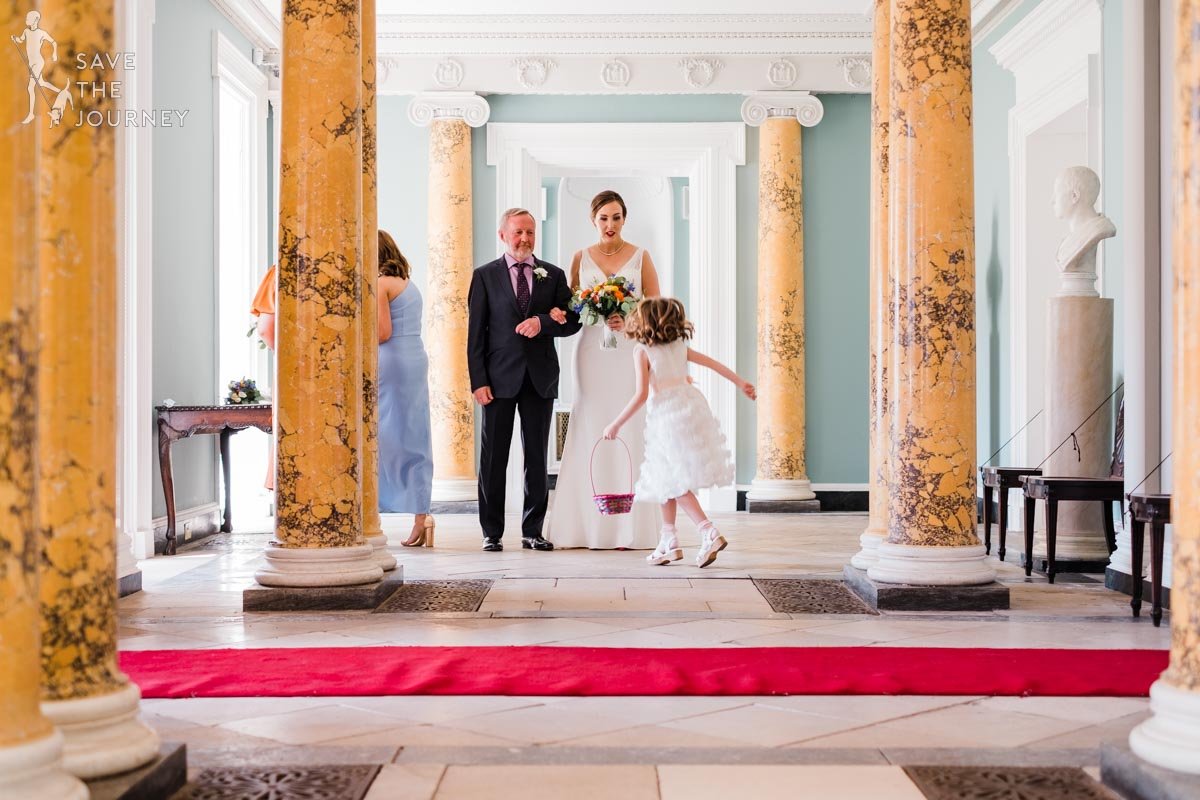
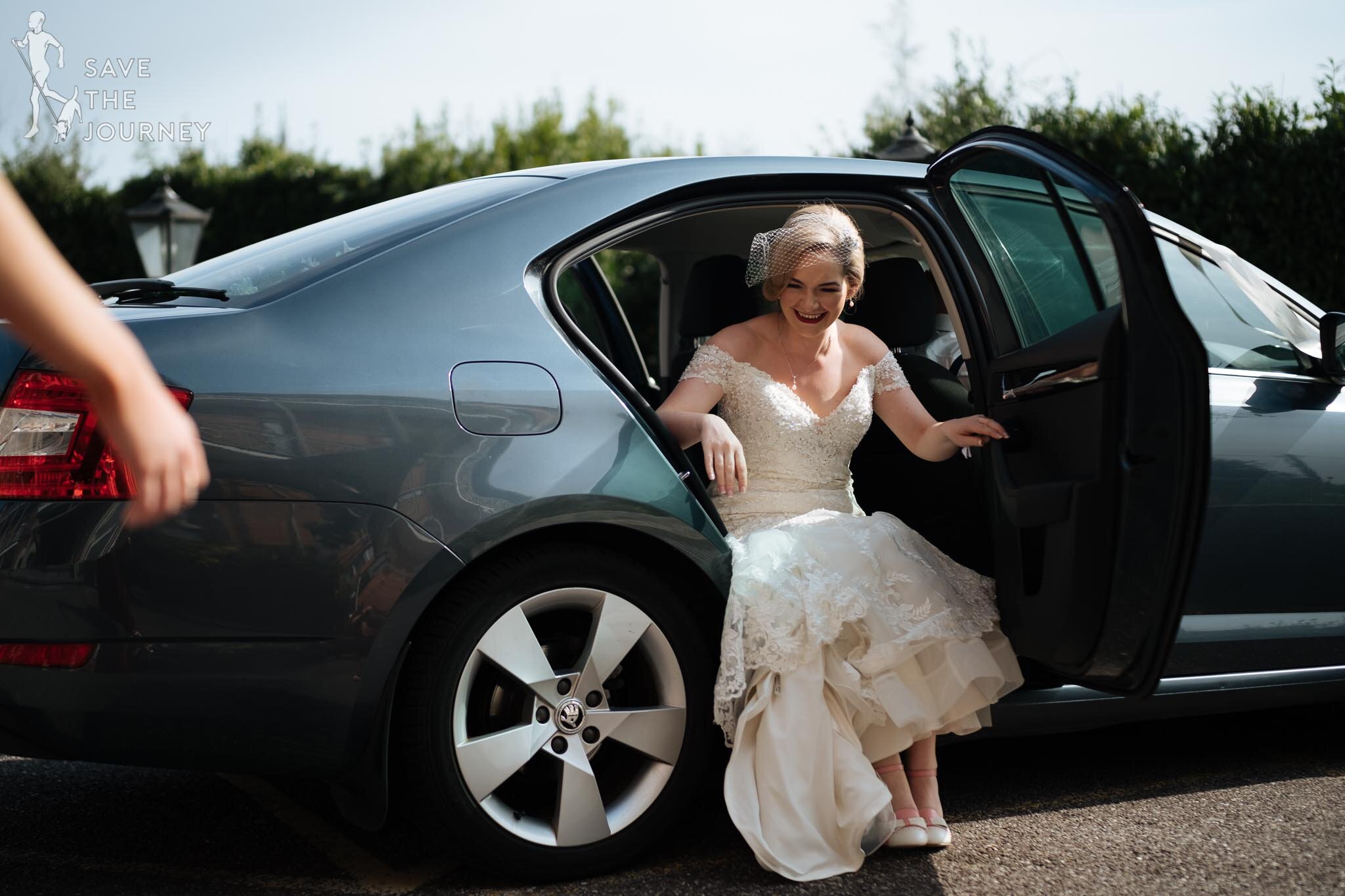
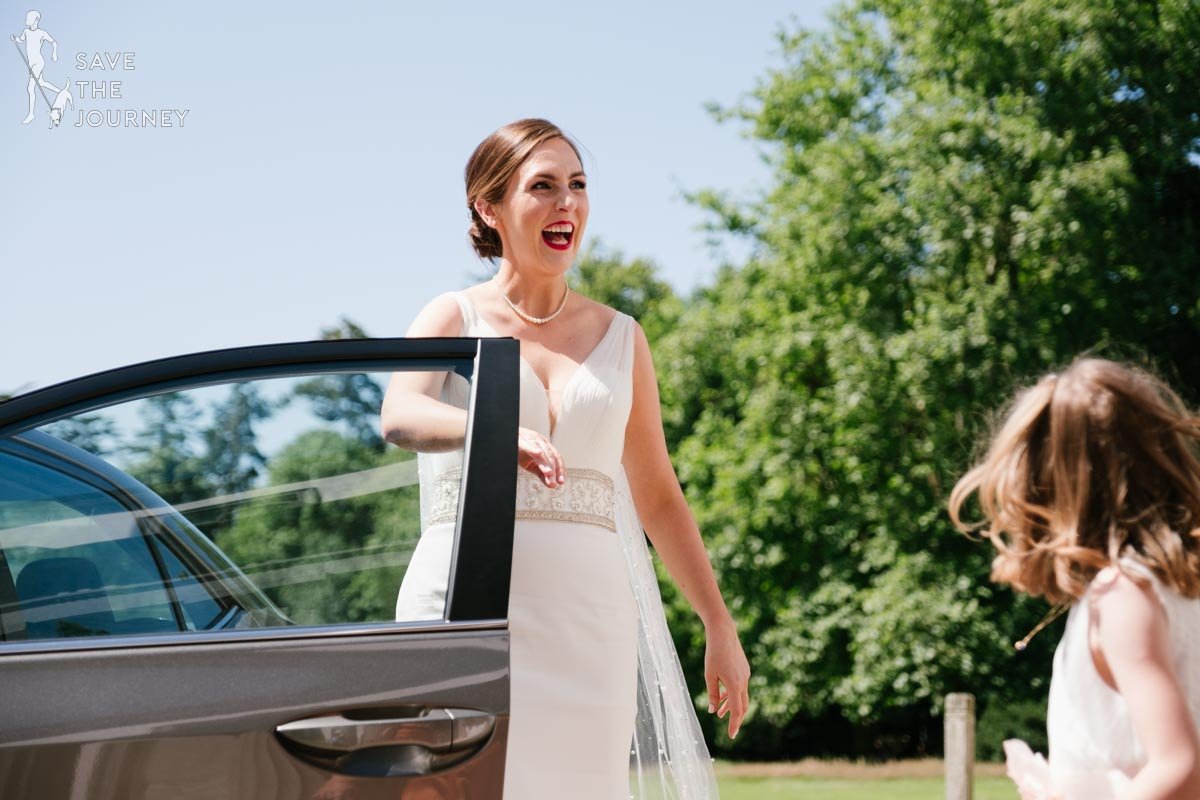
The usual pre-ceremony nerves started to cultivate, ramping up as more and more guests trickled in and the clock kept ticking closer to the ceremony starting time. But to the groom’s relief, the bride was not only punctual, but perfectly on time! I’m not sure if his nerves would have handled a delay.

The Bride’s Arrival

“But to the groom’s relief, the bride was not only punctual, but perfectly on time!”
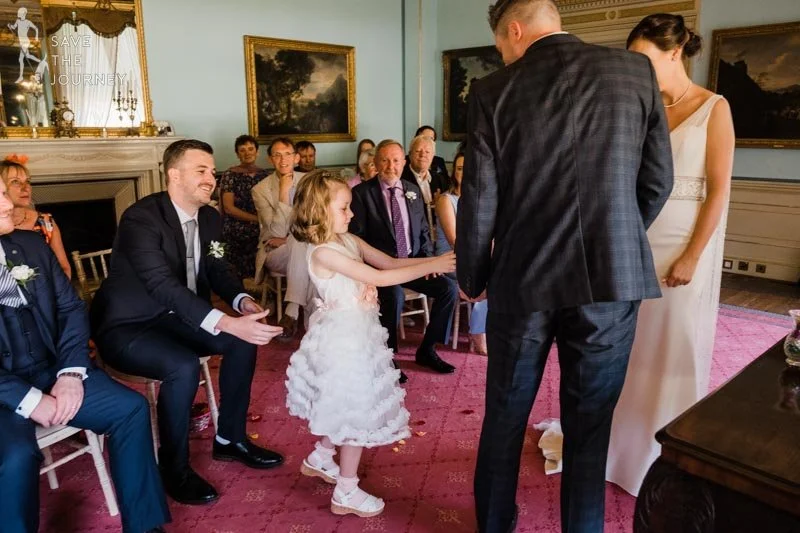
The Flower Girl

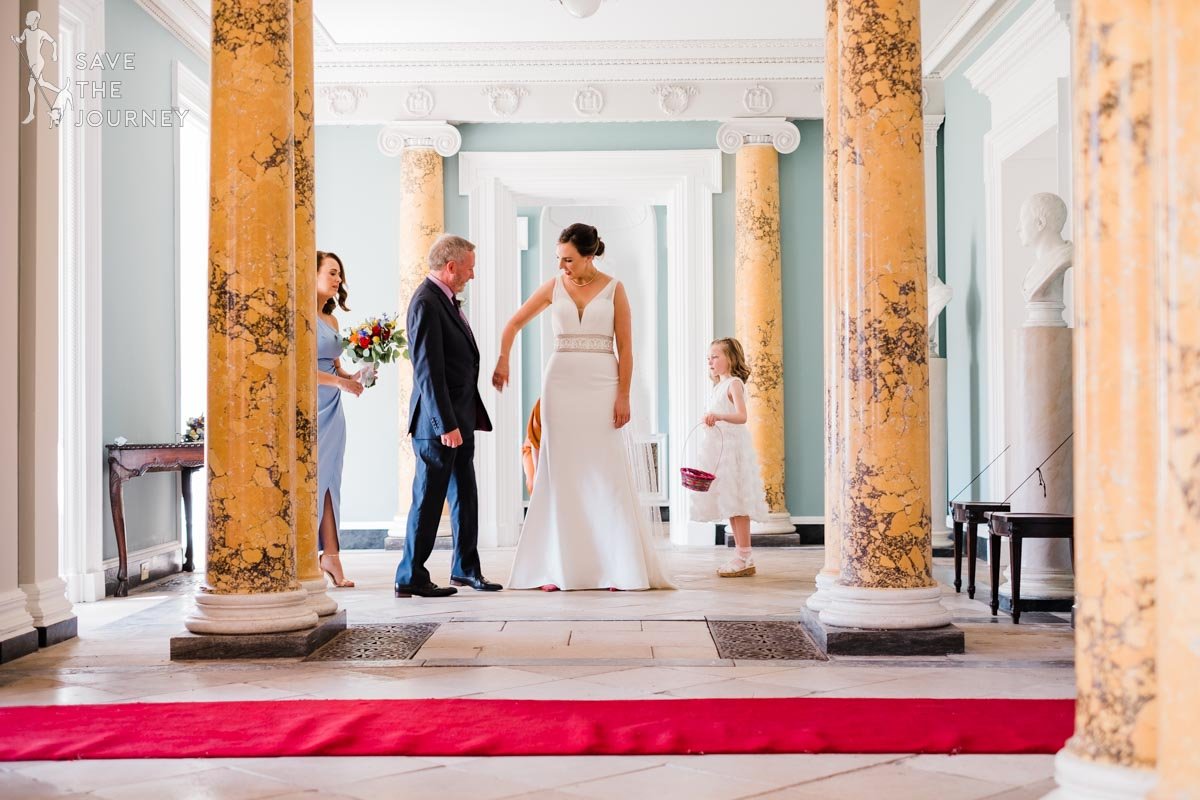
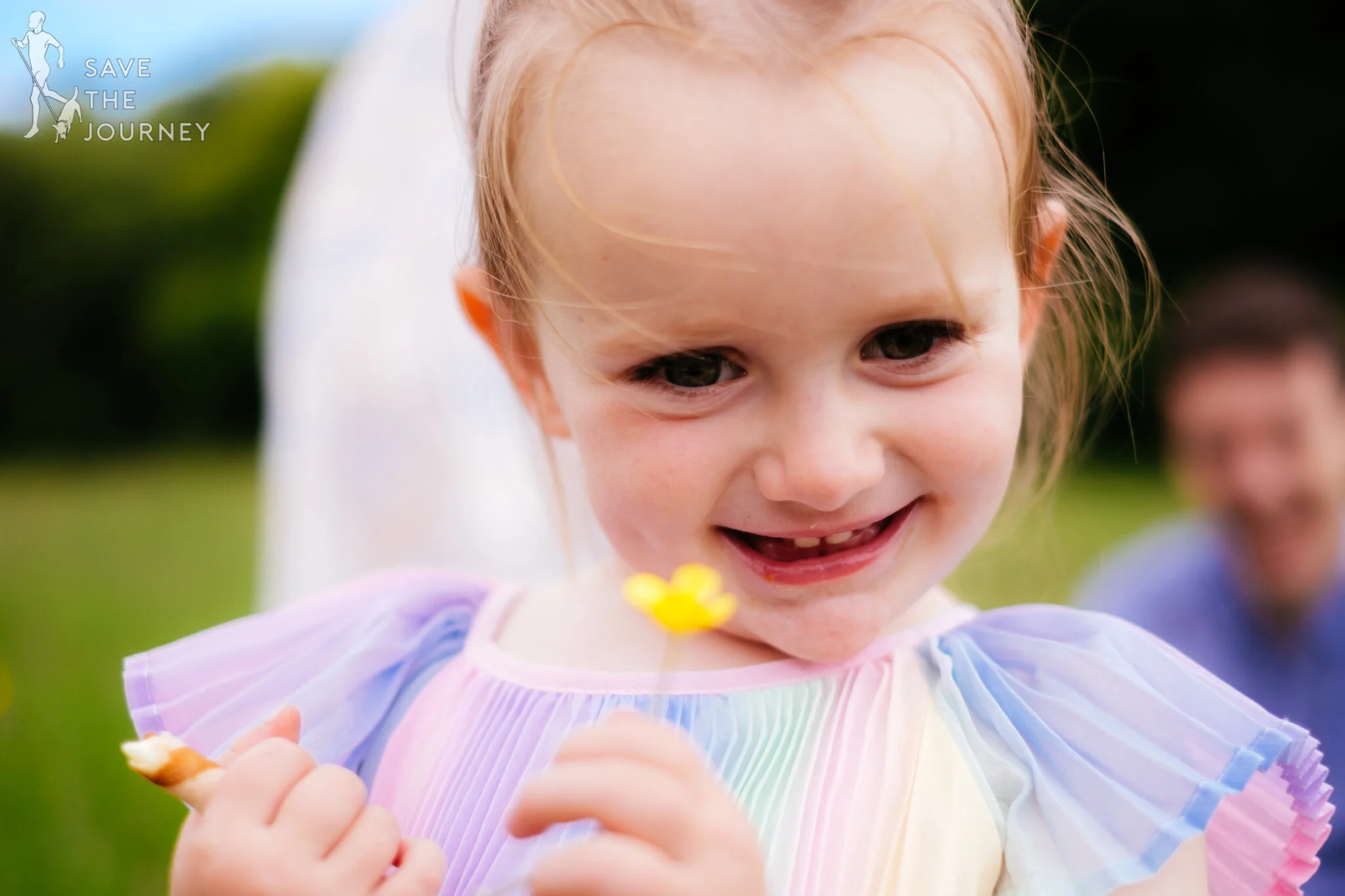
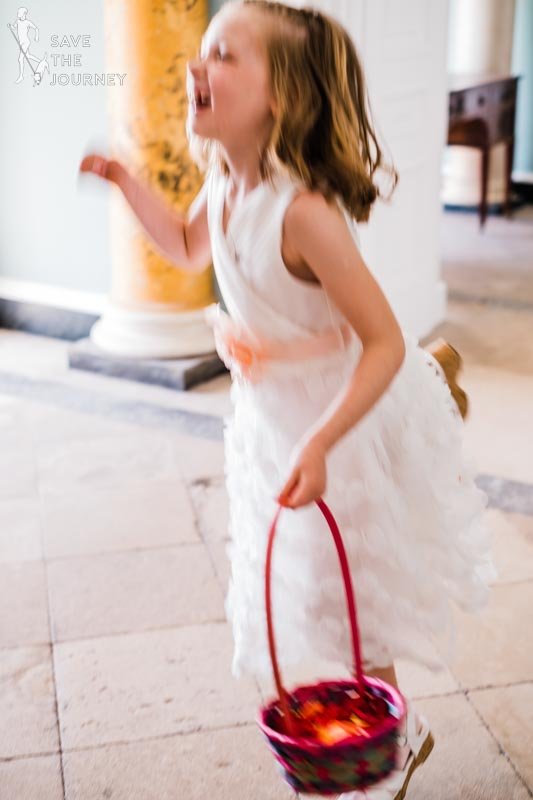
Rachel was greeted by her daughter who had the honour of filling the job of being the flower girl. Her excitement was unquestionable! I thought this would be the best way to capture that.

Last minute hair touch-ups made for briefly worried faces. But after a collective group effort, the bride was perfectly ready for her big moment down the aisle with her father.
Wedding Ceremony

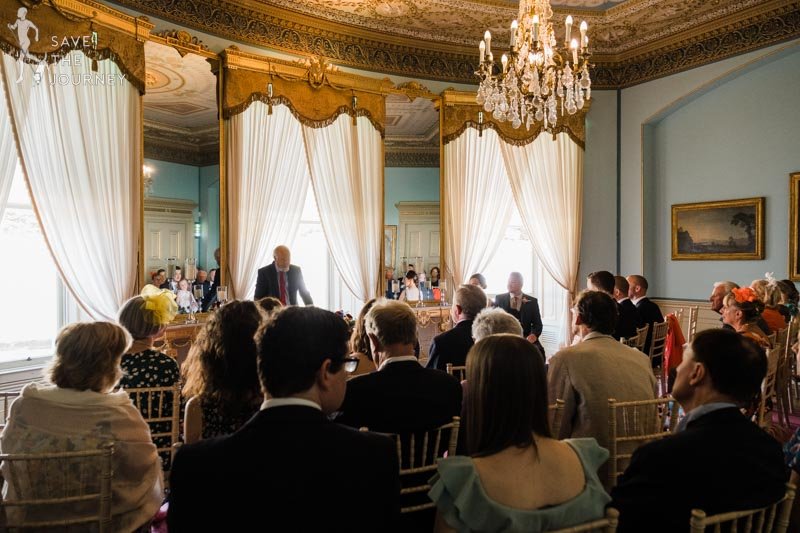
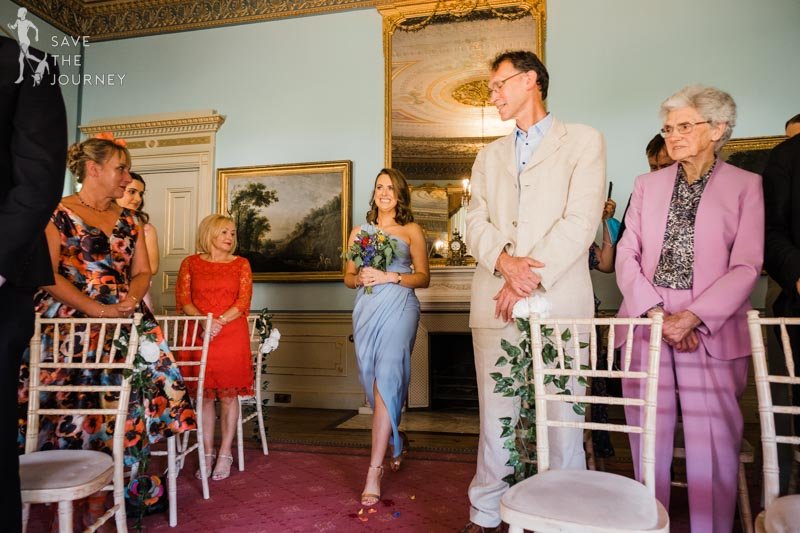
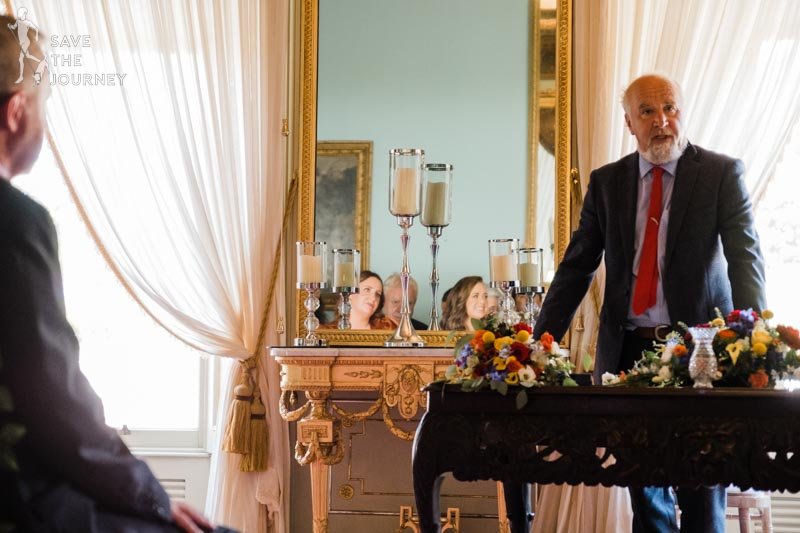
With the wedding ceremony taking place in this former entertainment room, with high ceiling and large windows, giving the special occasion a simultaneously intimate, yet airy and spacious feeling.

With the aisle being so short though, I had to be prepared and snap those photos quickly before everyone had already walked past. These are the challenges of a wedding photographer. Best case scenario; you make it look easy!

Sand Pouring Ceremony

It was a gorgeous wedding ceremony, that had all guests laughing at the right times, then crying at others. The sand pouring ceremony is something that has become a tradition in itself, and I personally think it’s a beautiful addition to what we have become to expect from traditional weddings!
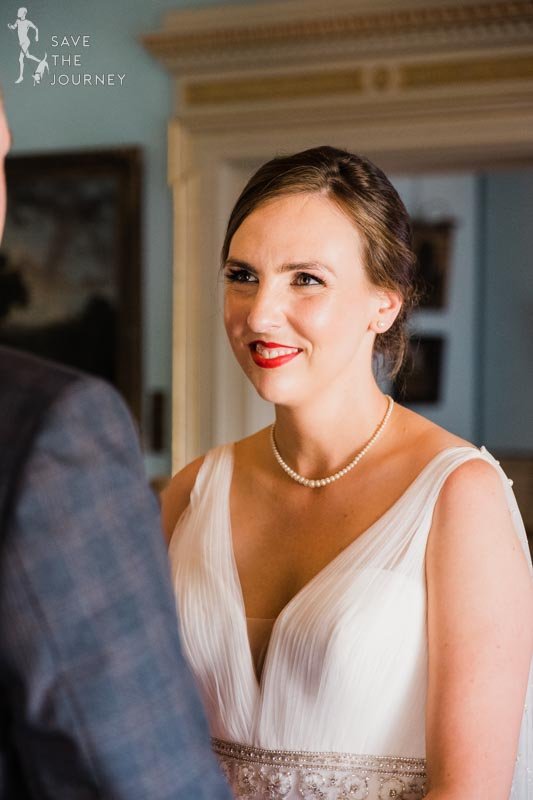
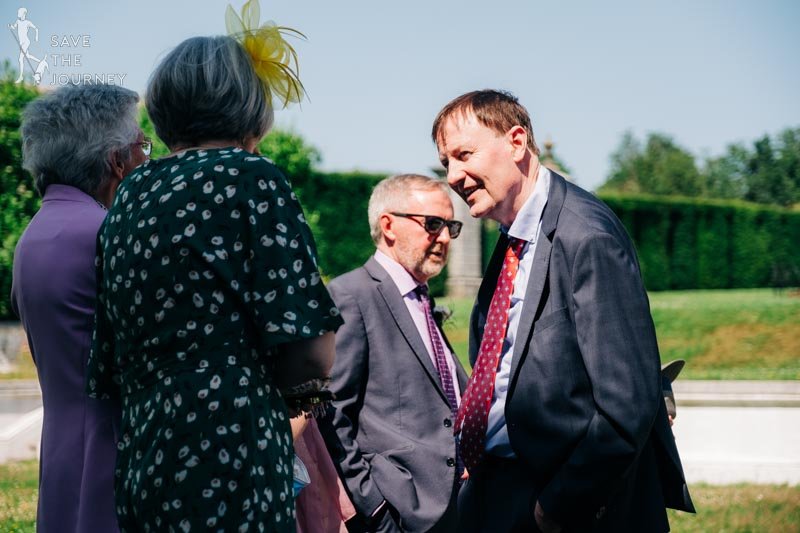
All the documents have been signed, the rings have settled on each other’s fingers. The ceremony is over and we move on outside. Time for the meet and greet of all the friends and family members who were able to make it here today.

Importantly, this is the time for me to stay on top of my wedding photographer duties and shoot the family group photos, the couple photos and get the casual shots of everyone enjoying their time.
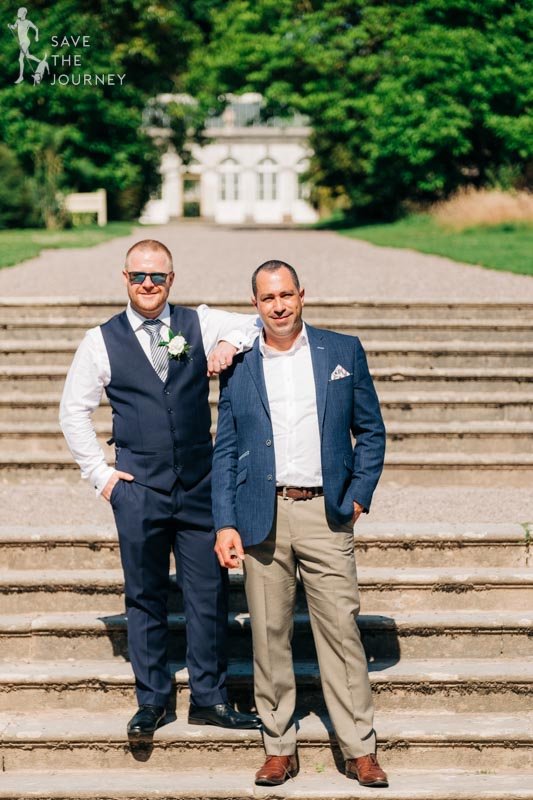
This wedding was a wonderful depiction of the couple themselves and was a joy to photograph. It was easy going, relaxed and fun. No high expectations, just a thankfulness that they could finally get married and that all the most important people could make it to their wedding.


Where are the wedding couple photos?

Those deserved their very own blog post, so make sure to view the wedding couple photo shoot here!

Wedding Couple Photo Shoot

Make sure to view it here in a separate blog post. The FOTA House made for such a unique shooting location!


Testimonial

After I had finished editing the photos and sent them on to the couple, they were kind enough to write me a 5 star review on Google and it was one of the loveliest reviews I have gotten thus far, so I thought I’d share it here:

“We hired Jannik for our wedding ceremony, we were so delighted from start to finish, he is such a lovely guy and could really get a sense of his passion for his craft, he provided us with the most breathtaking photographs of our big day and cannot thank or recommend him enough!”

- Rachel

Contact me here for my wedding packages and availability. And if you’d like to see more wedding photos I shot in Cork, check out this filtered blog post section, here.

More Photos

Samyang 35mm f1.2 versus Fujifilm XF 35mm f1.4 by Jan

I keep yapping on and on about how great Samyang lenses are. My favourite lens of all time is the Samyang 21mm f1.4, and just recently I wrote a review on how good the Samyang 35mm f1.2 is. An incredibly underrated lens! I get it that a lot of potential users are discouraged of using a manual focus lens, but when a lens is this good, it’s worth revisiting.

Since the last review, I have bought and used the Fujifilm 35mm f1.4 and thought it would be interesting to compare the two lenses! They might be the same focal length and one might have autofocus while the other one doesn’t, but even I was surprised how different the images from these two lenses were. And surprisingly, the field of view doesn’t match up between these two lenses!

The following photos have been adjusted to have the same daylight white balance and the same film simulation, which in this case is Provia.

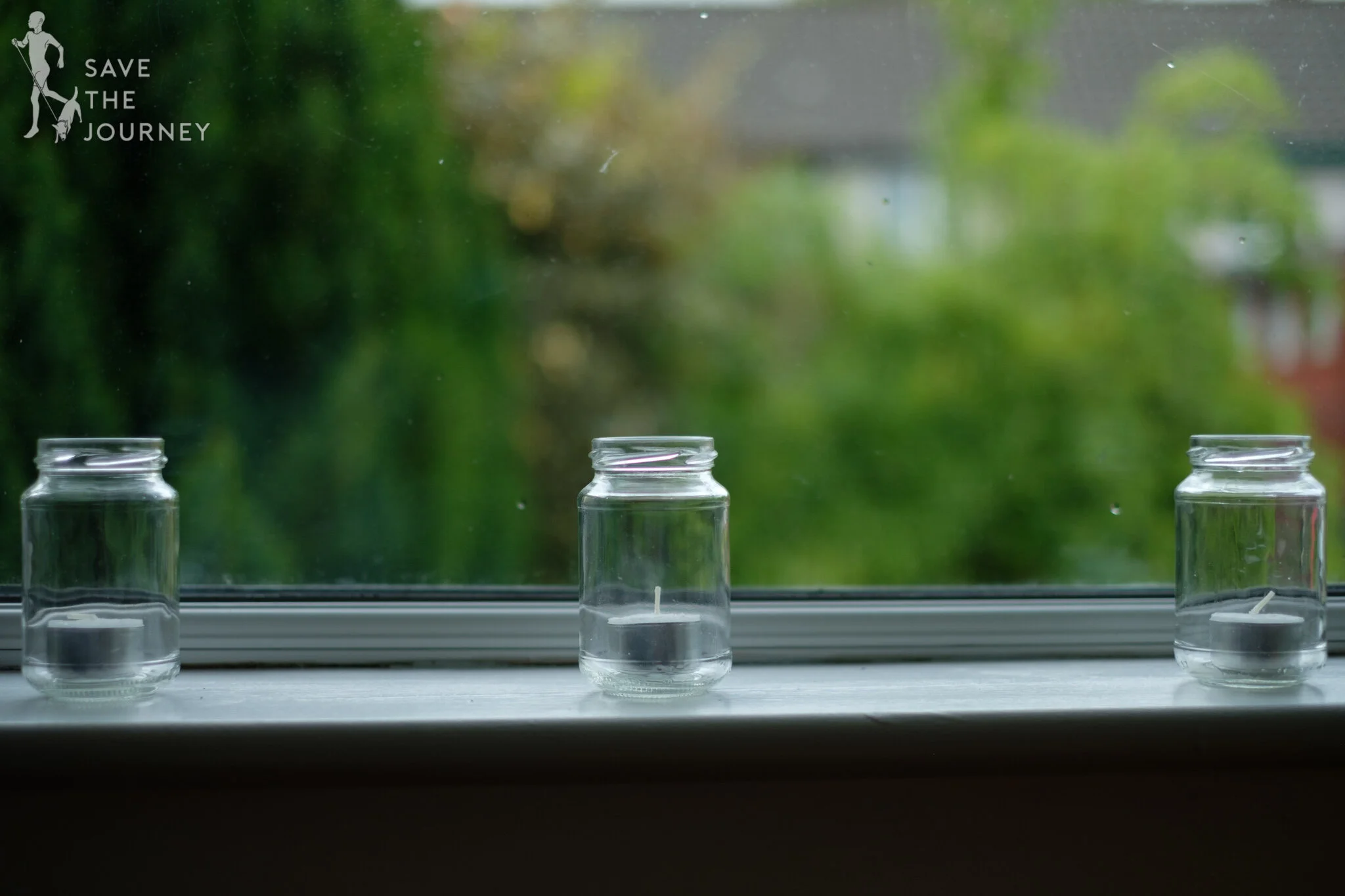
The first photo is the Fuji, second one is the Samyang (click to enlarge):

This shot indicates two things nicely; the difference in bokeh and the different colours these lenses produce. Both lenses were shot wide open, so either f1.4 or f1.2. I thought it would only be fair to do so, as you wouldn’t stop down the Samyang to 1.4 usually during a shoot. It’s either wide open or f2.8 or smaller.

Immediately, you can see in the yellow bush in the middle that the Samyang has much smoother bokeh, without appearing too clinical. With it being an f1.2 aperture, it is also blurred a little more than the Fujifilm. The latter has more defined edges to its bokeh.
Regarding colour, the greens with the Fujifilm are colder looking, the whole image is colder actually. A definite blue tint to it all. The Samyang has a much warmer, friendlier tone. The image looks way sunnier in comparison.

Interestingly, I set both photos to the standard ‘Daylight’ setting within Lightroom. That sets it to 5500K and +10 on the green/magenta scale. However when I changed the white balance of the Fujifilm to 5700k, keeping the secondary slider at +10, and changed the white balance on the Samyang photo to 5500k and +21, the two become much more similar than initially anticipated. I honestly didn’t think I could make them look so similar!

Again, first one is the Fuji, second one is the Samyang:

There’s still a definite difference in colour but the results have become much closer.

Next, we have some close ups of the centre glass. The left one is the Fuji, the right one is the Samyang:

The obvious remark here, is that the Samyang has absolutely no purple fringing. Besides that though, you can see how much better the Samyang is in sharpness and micro-contrast. There’s quite an obvious difference between the two!

Well, let’s have a look in the corners and zoom in on the left jar. Again, the left one is the Fuji, the right one is the Samyang:

Oh dear! Now we even have some hazing from the Fujifilm!

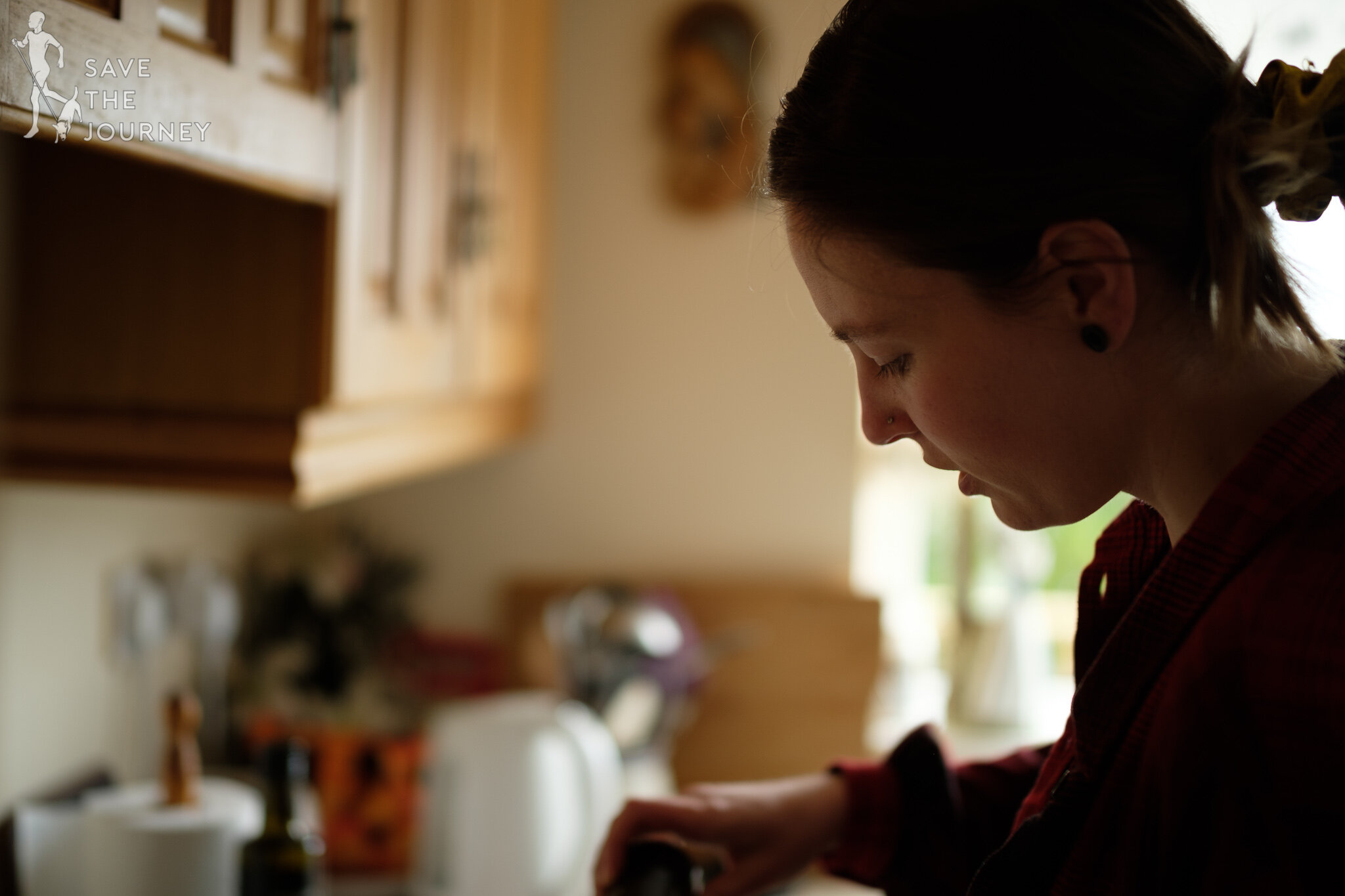
Ok, let’s look at another sample. First one is the Fuji, second one is the Samyang:

I really prefer the rendering of the Samyang in this as well. The bokeh is just so much creamier, especially when you have a look at the kettle and spatula or whatever metal utensils they are in the centre of the image. Or looking at the vertical lines on the cupboard above them, the Samyang manages to smooth them out better than the Fujifilm.
The colour difference is aparent again, this time the skin tones in the Fuji image look redder than the Samyang. The Samyang again, having a definite summer vibe to it.

Here are the photos again with the same white balance correction as above:

Again, they look quite similar, but I would still prefer the Samyang.

An obligatory close up. Again, Fuji is on top:

Conclusion

I wish that Samyang would make an autofocus version of this lens! Of all their APS-C mirrorless lenses actually. I don’t mind manual focusing and it’s not that difficult to do on a Fuji camera, but when I’m photographing events or weddings, it does drain my energy levels quicker than when I’m using an autofocus lens that works well. I still have moments though where I’ll just pop on a manual focus lens because the autofocus lens is distracting me too much. But I’m a little old school in that way of thinking and working. It’s all personal preference at the end of the day, but I just love the simplicity of manual focus lenses. And nothing annoys me more than having to swap autofocus modes or continuously having to switch the ‘Eye AF’ function on and off constantly because the camera is focusing on the wrong subject.
Is the Fujifilm 35mm 1.4 a bad lens? No, not at all. Is it as good as the entire internet seems to think? No, not at all.
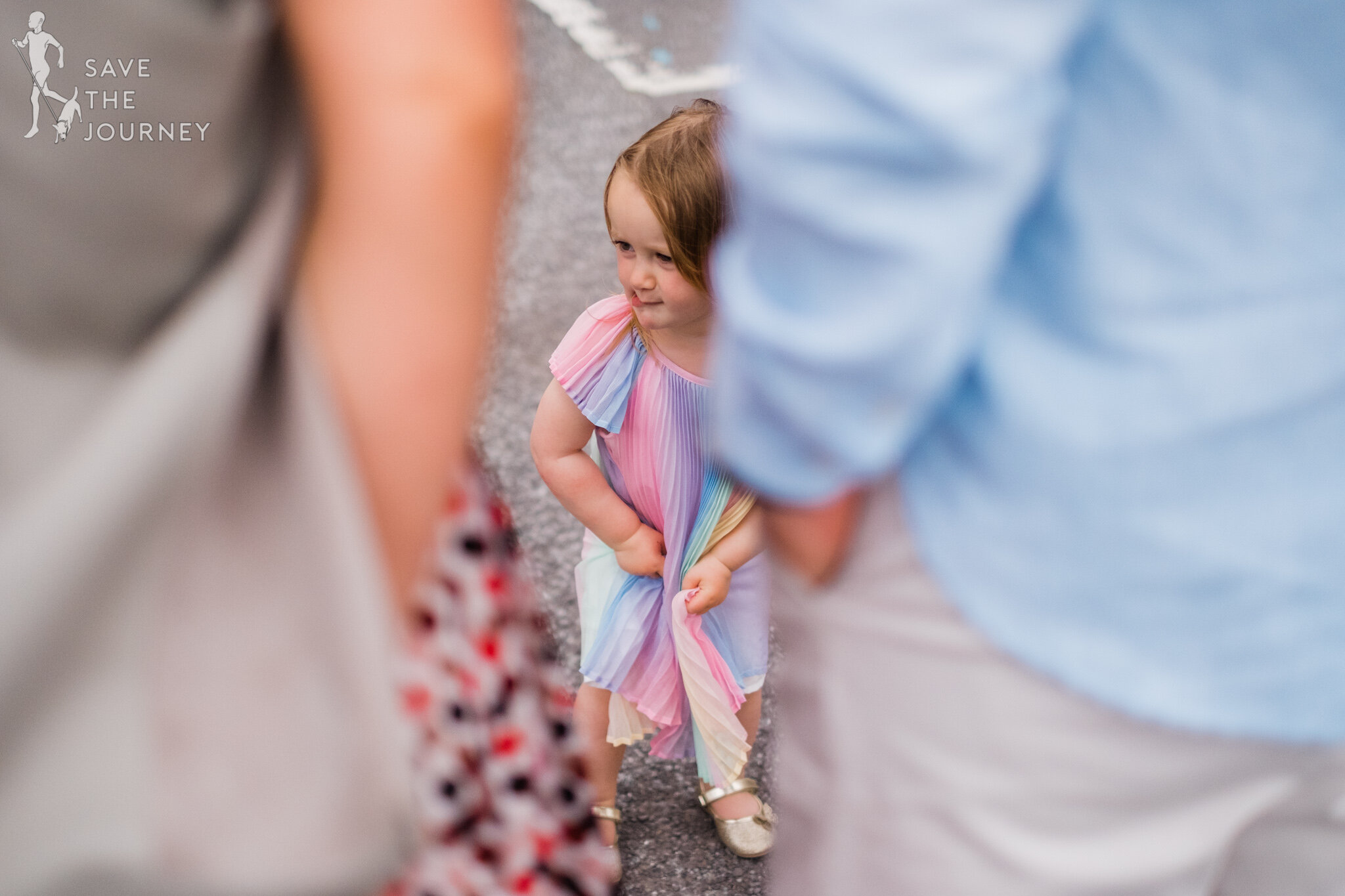
Having said that, I’m not mad that I own it, or that it exists. I did for instance take these lovely family portraits with it. In this scenario, the autofocus really helped me keep my mind clear and allow me to focus on directing the family (see photos below). The autofocus actually helped me achieve these photos, which would probably have been quite difficult to do with the Samyang lens. Or I would have had to have stopped the lens down to f8 or f11 to have a massive depth of field and cross my fingers that everyone is in focus. I think the photos came out really great and I’m not left thinking, “If only I used another lens.”
It does remind me of some of the Zeiss lenses in that regard that the specs don’t always look great on paper or if you dissect the image, like I did above, but when you take a step back and look at the whole image, it does look great. But I believe this lens can be improved upon and look forward to what Fujifilm will deliver with their rumoured 33mm. Sigma also wants to bring out their 30mm f1.4 to the X-mount. I’d be very interested to see how they are, in terms of autofocus performance and image quality and look. And in the case of the Sigma, if they will finally make one in X-mount after all! It’s been such a long term rumour after all.

My pros and cons list:

Fujifilm 35mm f1.4

Positives:
+ Autofocus lens
+ Good image quality, not as good as the Samyang but good enough
+ Love or hate lens
+ Cool looking lens hood
+ Incredibly lightweight

Neutral:
ᵒ I’m not always that fond of the bokeh, can be a bit busy at times (since it’s very subjective, I’m not counting it as a negative)

Negatives:
- Lens hood comes off easily, as does the square, rubber lens cap
- Autofocus isn’t the best but good enough

Samyang 35mm f1.2

Positives:
+ Superb image quality, best 35mm lens for the Fujifilm X-mount (currently)
+ Great looking photos, super creamy bokeh
+ f1.2 aperture, great for low light and extra bokeh
+ Very affordable (can be found on the used market for just €200-250 in various mounts)
+ Pure manual nature of the lens means it will last you a lifetime and use less power, so your camera batteries last longer
+ Good size, balances nicely on cameras
+ Great quality lens hood
+ Personal preference, but I like that the aperture goes in ½ steps instead of ⅓’s

Neutral:
ᵒ Manual focus is either good or bad depending on the wants of the photographer, although manual focus is great if you’re doing video too

Negatives:
- Would prefer a metal body with etched numbers, instead of printed numbers
- Focus ring is a bit stiffer than I’d like

Let me know what you think of my findings! And check out my Samyang 21mm f1.4 review here, the Samyang 35mm f1.2 review here, and the Samyang 12mm f2.0 review here.

Sample Photos

Here are some of my favourite photos taken with each lens.

Fujifilm 35mm f1.4 Sample Photos:

Samyang 35mm f1.2 Sample Photos:

Voigtlander Is Coming to the Fujfilm X Mount? by Jan

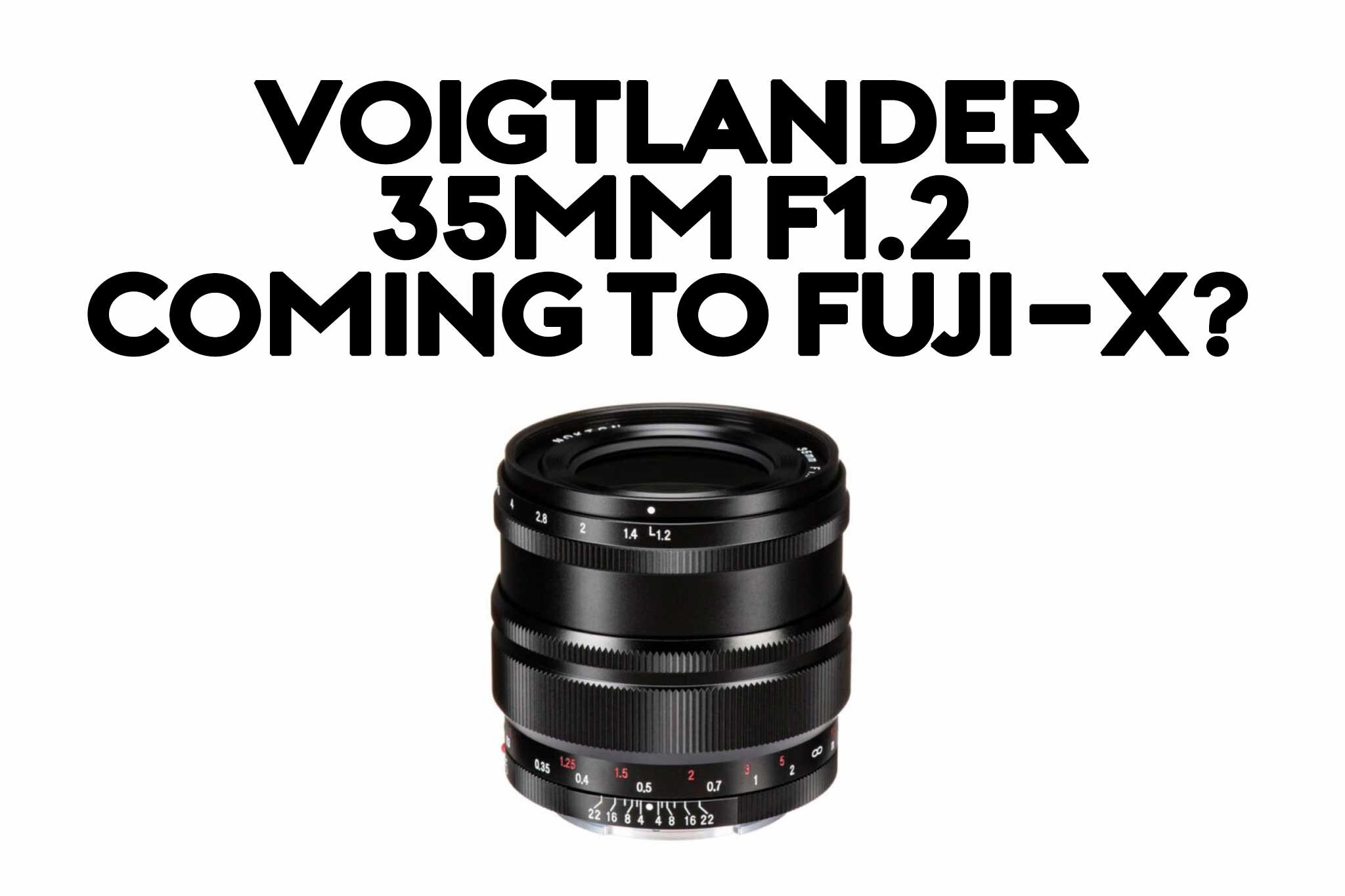
voigtlander-35mm-f1-2-fujifilm-x.jpg

I am absolutely thrilled by today’s speculation on Fujirumors that Cosina, Voigtländer’s parent company, will be announcing a 35mm f1.2, full manual lens for the Fujifilm X system!

If you have been reading my reviews on the Samyang lenses, especially the Samyang 21mm f1.4 and the Samyang 35mm f1.2, you’ll know that this is exactly what I was waiting for.

A Quick Recap

A quick recap for those who haven’t read my Samyang reviews (available here - 12mm, 21mm, 35mm); even though I love the image quality and the look of the images from the two lenses mentioned above, I always wished the lenses had a better build quality to match their amazing glass and optical design.

Especially the Samyang 35mm f1.2 suffers from too much stiffness to its focus ring. The Samyang 21mm is much better in that regard, much smoother, but still not something I would consider butter smooth. I long for my old Olympus OM 50mm f1.4 that had an amazingly smooth focus ring, with just the right amount of resistance. Or some Zeiss or Leica lenses I was able to use before were amazing, where as the Samyang 21mm is just very good and the 35mm is what I would describe as good. But I’d love to have the same lenses, with the same kind of quality in a more premium lens housing.

I take very good care of my lenses, in between shoots or while transporting my gear but during an event or photoshoot, I will always prioritize getting the shot instead of being cautious with my gear. Which is why there is one set of scratches on the housing of the 21mm. If they were a cm higher, they would have gone over the markings and focus distances on the focus ring. Since these numbers are just printed on and not engraved and then filled with ink, I have the suspicion that these markings will disappear at some stage in the future. Will I still own the lens when that happens? Will I still be using Fujifilm gear then? Who knows, but it would be nice to just have these engravings.

What I expect from the Voigtländer 35mm f1.2

I expect this lens to have a fantastic build quality, a very smooth focus ring with a metal housing. The rendering of the images will probably have a bit of an old school look with funky bokeh, probably not the sharpest wide open but very characterful. I wonder if it will be a full frame lens with a Fujifilm X mount, but I assume it will probably be a dedicated APS-C lens as they would have to re-design the lens to be suitable for the thicker stack Fujifilm sensors that would otherwise cause a lot of white hazing. Probably expect a price of around €800-900.

I love the lenses that Voigtländer have been releasing in the last few years. The ones that stand out to me most are the 50mm f3.5 non-collapsible lens with the beautiful engraving of the lens formula on the body. What a lens. While it doesn’t have a super fast aperture, it does have a fantastic colour reproduction and super creamy bokeh! I’m a big fan of the 40mm f1.4 as well, such an underrated focal length. As well as all of their APO lenses that focus on perfect colours! In a world of high megapixels and sharpness, I am delighted that there’s a company that still focusses on the important aspects like the rendering of colours, depth, bokeh and just producing beautiful images.

What I want from the Voigtländer 35mm f1.2

I’d love for Voigtländer to take the Samyang 35mm f1.2, put it in a gorgeous, metal Voigtländer housing and add a bit of character to the images. The Samyang 21mm has plenty of character, the Samyang 35mm isn’t lacking in character but it could benefit of having a little more. But keep the sharpness, light transmission and colours!

Although I expect the price to be high, I do hope it will only be around €500-600. If it is higher, as predicted, then for me it would have to be perfect in every regard. The competition at the 35mm focal length is pretty stiff in the Fujifilm world, especially with Fujifilm releasing their own updated, auto focus lens soon, the 33mm f1.4. But I do hope that Voigtländer succeeds with this lens and releases more focal lengths in the future.

Let’s see what happens!